Save the Date: The Funders Network's 2021 Virtual Conference
BY THE FUNDERS NETWORK
In these uncertain times, we are all doing our best to prioritize the wellbeing of those we care about and the communities we serve.
For this reason, The Funders Network has decided to move our 2021 Annual Conference to an all-virtual format.
We hope you will mark your calendars for TFN 's 2021 Virtual Conference: Rise Together, March 15 to 17.
It is precisely because we are in such uncertain waters that it is essential that we take the time to seek out the meaningful connections, strategies and inspirations that fuel and support your work as grantmakers.
While we had originally hoped to come together — in person — in New Orleans, we will nonetheless find ways to lift up and learn from this amazing and resilient community as part of our virtual conference.
We are also seeking ways to minimize the economic impact of this decision, and will be highlighting opportunities to support local New Orleans vendors, artists and community causes as part of our conference offerings.
In the meantime, we would like to share that due to the impacts of Hurricanes Sally, Laura, Delta, and Tropical Storm Marco, the Greater New Orleans Foundation — one of our conference sponsors — has activated its Disaster Response and Restoration Fund to provide assistance to those who are most in need.
Our heartfelt thanks to the local New Orleans funders and community voices who took part in our recent planning sessions.
We are delighted to share that Carmen James Randolph, vice president for programs at the Greater New Orleans Foundation, and Tené Traylor, Atlanta fund advisor at The Kendeda Fund, will serve as co-chairs of TFN's 2021 Virtual Conference.
Stay tuned for more information on our sessions, speakers and other highlights. Please read on for more information about our conference theme and our efforts to center racial equity in our work.
About #TFN2021: Rise Together
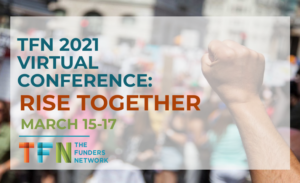
TFN's 2021 Virtual Conference: Rise Together will create a virtual space for funders to explore the strategies and stories that are creating more equitable, sustainable, and resilient places to live — work that has taken on increased urgency as we face the dual challenges of a global pandemic and structural racism.
TFN’s mission is to leverage philanthropy’s unique potential to help create communities and regions that are sustainable, prosperous and just for all people. But we recognize that these goals cannot be achieved without first challenging and confronting the systemic imbalances in power, privilege and access to resources that disproportionately impact communities of color, specifically Black people, and create stark inequities that continue to harm racialized and marginalized people and places.
In keeping with our 2021 Virtual Conference theme — Rise Together — we've encouraged session ideas that are interdisciplinary, cross-cutting and grounded in racial equity.
In the weeks ahead, we'll be sharing more details about our conference offerings and learning agenda designed to lift up and explore some of the most urgent questions of the day:
How do we help communities address and overcome the impacts of the novel coronavirus in ways that are urgent and equitable?
How can we help dismantle the systemic racism that touches every aspect of our lives, including the food we eat, the air we breathe, the water we drink, and the places where we live, work and play?
And how do we use our privilege and power, as a sector and as individuals, to amplify calls for racial justice in ways that are meaningful, effective and authentic?
We hope you'll join us as we learn together, work together — and hopefully rise together — to meet this extraordinary and unprecedented moment.

Black & Bold: An interview with Pat Smith of The Funders Network
BY Makiyah Moody, LaPiana Consulting
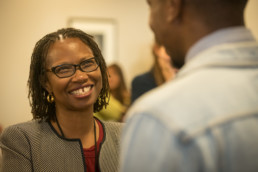
The Funders Network's President and CEO Pat Smith sat down — virtually, of course — for a conversation for the LaPiana Consulting blog, Black & Bold: Perspectives on Leadership. Black & Bold is "an effort to affirm, promote, and elevate the experiences of Black women who are their ancestors’ wildest dreams," according to Makiyah Moody, senior consultant and lead writer for the blog. (TFN engaged with LaPiana as part of our strategic planning process.) Below is an excerpt from the Black & Bold blog post featuring Pat's conversation with Makiyah. To read the full post, visit here.
Tell me about your current role?
I am the president and CEO of The Funders Network (TFN), a membership organization of 170 funders from across the U.S. and Canada, including national, regional, and community foundations. I learned after joining TFN that we have a significant number of community foundations as members. As you know, we recently completed the refinement of our strategic direction and homed in on what TFN wants to be as it grows. (Disclosure: La Piana Consulting facilitated TFN’s strategic planning process.) We are a 20-year-old organization and excited about where we have landed.
As a philanthropy serving organization (PSO), the challenge for the sector and TFN is how do we begin to really develop the next generation – the next courageous generation of philanthropic leaders – equipped to bring about racial justice and a just society. As we go through this period, philanthropy cannot continue what it has been doing and expect different outcomes. How can we be different as a sector? Doing work differently requires people coming together and figuring that out. I am seeing more and more calls for participatory grantmaking, meaningful community engagement, and not just tokenism: increased interactions with government and the private sector to find common ground; asking tough questions about the role of racism in our society, and to what extent philanthropy also perpetuates inequities. The idea of decolonizing wealth has led to many conversations. We need to bring others in to help figure out what needs to be done, creating space to learn, reflect and act.
If there was a soundtrack of greatest hits that reflect how you go about your work, what would make the list?
India Arie’s “Strength, Courage and Wisdom”: These are crazy times. When I don’t have clarity about where I need to be, where the work needs to go, or how I need to do it, I play this song often.
Nina Simone’s “Young, Gifted and Black”: I am excited by the younger voices coming to the fore in philanthropy. For me, TFN’s PLACES Fellowship exemplifies the next generation of philanthropic leadership and they inspire me.
I love jazz. One of my favorites is Miles Davis’ album, Kind of Blue, especially the track “All Blues.” Many think of only sadness when they hear the phrase I got the blues; I think of resilience, courage, and the history of our people…the expressive art about their struggles and strivings.
Sweet Honey in the Rock’s “Ella’s Song”, which is a tribute to Ella Baker who is considered the mother of the Civil Rights Movement. She worked with MLK, John Lewis and without question she was the tactical organizer for SNCC, or Student Non-Violent Coordinating Committee. She understood movement-building, community organizing and the leadership role of peoples’ voice in their struggles.
I love the phrase: “We who believe in freedom cannot rest.” It is just as important today in this moment. It can be overwhelming at times. You may just want to throw in the towel or leave the country, yet we who believe in freedom cannot rest.
The other lyric that resonates with me is: “The older I get the better I know that the secret of my going on is when the reins are in the hands of the young, who dare to run against the storm.” This lyric reminds me of the Black Lives Matter movement, the protestors, and young people running against the storm. I believe in the vision and activism of young people. My role – philanthropy’s role – is how do we support them as they run? How do we relinquish the reins of power and support the next generation of leaders?
Work in the social sector can be very personal and linked to one’s values. Can you think of a time when your values were in tension and how you reconciled that tension or not?
I have held leadership positions in government with the City of Philadelphia, including leading a major mayoral initiative where I was often in community. For me it was often challenging to see all that needed to be done, knowing that government may not be able to resolve the problems despite my best efforts.
The tension comes into play when entering a church basement for a community meeting knowing that I might not have the answer or resources at my disposal and being honest about that fact. It’s not about simply saying no we can’t do this –too often we are too quick to say no. Sometimes it’s about acknowledging constraints as a first step in the problem-solving process.
With Obama’s election, there were all these high expectations, which caused me to think about how to engage people with integrity and not mislead them. I am not a believer in false promises (“Hey, we can do that”). I aim to be clear and transparent about what I can and cannot do which requires honest conversations about limits and where those limits are. “These are the constraints. Here’s why. Maybe we can figure this out together.”
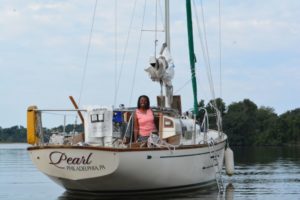
Can you share an experience in the workplace where you have had to reclaim your time? What was the context? How did you navigate it?
I am terrible at carving out space for me. I often allow work to bleed into the rest of my life and that has been a challenge. I’m a workaholic who is always thinking about what needs to be done next. That means that sometimes I’m not rooted in the present or enjoying the moment. This has been a lifelong struggle where I am trying to be more intentional about self-care.
Read the full Q&A blog post here.
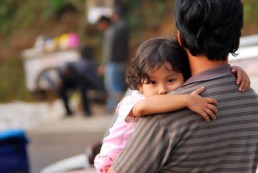
GCIR: Philanthropy Must Confront Our Country's History of Racist Immigration Policy
BY Grantmakers Concerned with Immigrants and Refugees (Cross Post)
The Funders Network's President and CEO Pat Smith has signed to a recent statement from Grantmakers Concerned with Immigrants and Refugees urging the philanthropic sector to acknowledge — and work to address — the systemic racism that has informed U.S. immigration law and policies. This op-ed by GCIR President Daranee Petsod was originally published in the Chronicle of Philanthropy on Sept. 23. TFN is proud to sign on in solidarity to this powerful call-to-action. To read the full list of signatories, visit the GCIR statement page here .
GCIR Statement
The murder of George Floyd and the Covid-19 pandemic have forced philanthropy to reckon with racism and its deadly disparities.
As our sector considers how we can play a role in shaping a more just and equitable future, we must confront our own roots in white supremacy and the profound ways in which historical inequities continue to manifest themselves today — in funding policies and practices; underinvestment in efforts aimed at dismantling structural racism; and underrepresentation of Blacks, Indigenous people, and people of color within philanthropic leadership.
Philanthropic discussions on racism are long overdue, and they must expand to include immigration because the two issues are inextricably linked. Indeed, the current policy separating immigrant families is rooted in the same racist ideology behind boarding-school policies that tore apart Indigenous families and the slave trade that devastated Black families.
As philanthropy confronts our country’s history of genocide and slavery, our sector must also wrestle with hundreds of years of racist immigration policies — from the 1790 law that allowed only “free white people” to naturalize, to the Chinese Exclusion Act of 1882, to the Muslim and African bans and exclusion of undocumented immigrants from federal Covid-19 relief in the Trump era.
Anti-immigrant policies in recent years didn’t just come out of thin air. Private philanthropy has financed hate groups substantially and consistently over decades to develop an expansive playbook for reducing immigration by people of color. These hate groups often frame their arguments in seemingly rational and measured ways, sometimes even co-opting progressive language on population, the environment, and racial justice.
But make no mistake: Masquerading behind innocuous terms such as “demographics” and “economics” are the same xenophobia and racism that have driven immigration policy and plagued our society for generations. They demonize, dehumanize, and criminalize immigrants, and they intentionally pit immigrants and Black Americans against one another, aiming to derail our collective efforts to fight injustice.
A recent letter to the editor the Chronicle published exposed two such examples of white supremacist ideology disguised as reasoned perspectives on immigration. Its authors offered a concrete example of how a foundation with a record of bankrolling white nationalist voices and anti-immigrant organizations is not to be believed when it claims to be a proponent of legitimate debate on immigration and “serious about addressing systematic and institutional racism.” The letter rightly named the “mainstreaming of white supremacist ideology” as “one of the greatest challenges of our time” and called attention to the role philanthropy has played in “promoting, funding, and sustaining” anti-immigrant hate groups as “organizations committed to white supremacy.”
In doing so, the letter reminds us that in our painful but necessary reckoning with the legacy of racism in this country, we must remain vigilant against false narratives and clear eyed about their motivation: to halt and reverse demographic change.
For philanthropy to truly live our core values of humanity, equity, and justice, there can be no room for hate in our community. It is time for our sector to have tough conversations about the connections between racism, white supremacy, and attacks against immigrants and refugees. To educate ourselves about anti-immigrant hate groups and our nation’s racist immigration policies. To call out, condemn, and put an end to funding for hate groups. To invest deeply and for the long term in organizations working at the intersection of immigration and structural racism. And to hold ourselves and one another accountable in the fight to end white supremacy and achieve justice and equity for all.

Can We Even Do That?!?: Talk elections, advocacy & philanthropy with The Funders Network and Abby Levine of Bolder Advocacy
BY TFN STAFF
Does taking a stand on executive actions qualify as lobbying under federal tax law? Can your foundation talk about candidates, officeholders or proposed legislation on social media? Can private foundations fund nonprofits that lobby?
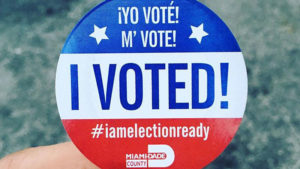 As we find ourselves knee-deep in a polarizing election season — and continue to grapple with headline-churning developments impacting everything from healthcare and reproductive rights to national security and environmental stewardship — questions abound about what sort of advocacy foundations can pursue without running afoul of the law.
The Funders Network invites you to join Abby Levine, director of the Bolder Advocacy program at Alliance for Justice, for a TFN Learning Call, Can We Even Do That?!?: Advocacy, Elections and Philanthropy on Sept. 30 from 3 to 4:14 p.m. ET.
Join us to learn more about how grantmakers can support advocacy and participate in policymaking decisions, while gaining a deeper understanding of federal tax and election law.
We’ll share the fundamentals of what foundations can and can’t do to support election season activities and other advocacy questions that may be bedeviling your organization at this extraordinary moment in time.
We will also make space for Abby to answer specific questions from our attendees, so be sure to submit any queries in advance when you register for this event.
Can We Even Do That?!?: Advocacy, Elections & Philanthropy
3 to 4:15 p.m. ET
Sept. 30
Register for this funders only webinar here.
About Bolder Advocacy
 Bolder Advocacy, a program of the Alliance for Justice, promotes active engagement in democratic processes and institutions by giving nonprofits and foundations the confidence to advocate effectively and by protecting their right to do so.
Additional Resources
Additional Resources
Bolder Advocacy’s FAQ page offers concrete advice and guidance on a range of election season and policy area questions.
Free technical assistance on advocacy, lobbying and election-related questions is available via the Bolder Advocacy Hotline at 866-NP-LOBBY.
Rules of the Game, a Bolder Advocacy podcast, features attorneys using real examples to demystify these laws to help 501(c)(3) and 501(c)(4) nonprofits be bolder advocates.
Photo credits: Featured image at top, Philanthropy Journal; "I voted" image, Miami-Dade Department of Elections.
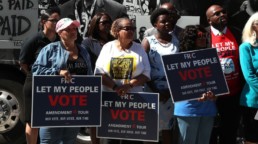
Federal Appeals Court Upholds Florida’s “Pay-to-Vote” Scheme (Cross Post)
In a significant reversal that deals a blow to felons' voting rights in the perpetual swing state of Florida, the United States Court of Appeals for the 11th Circuit in Atlanta ruled earlier this month that a Florida law requiring people with serious criminal convictions to pay court fines and fees before they can register to vote is constitutional. Civil liberties advocates have decried the payment requirement as a modern-day poll tax. Below is a blog post originally published by the Equal Justice Initiative.
Since the end of the Civil War, states in the American South have used various schemes to deny Black people the right to vote even though that right is protected by the 15th Amendment. Poll taxes were applied against mostly Black voters to create economic barriers to voting throughout most of the 20th century. The Voting Rights Act was passed to eliminate these barriers in the 1960s.
Since passage of the Voting Rights Act in 1965, the criminal justice system has been used to disenfranchise millions of Americans, mostly people of color. In his dissent, Judge Adalberto Jordan called the LFO requirement—which bars poor people from voting but allows those who can pay to vote—“the antithesis of equal treatment.”
“This ruling runs counter to the foundational principle that Americans do not have to pay to vote,” Julie Ebenstein, a senior staff attorney with the A.C.L.U.’s Voting Rights Project, told The New York Times. “The gravity of this decision cannot be overstated. It is an affront to the spirit of democracy.”
Read the full post: Federal Appeals Court Upholds Florida’s “Pay-to-Vote” Scheme
Featured photo at top: Carline Jean / South Florida Sun Sentinel

Climate Week NYC: Southface's Sustainable Atlanta Roundtable features Pat Smith of The Funders Network
BY TFN STAFF
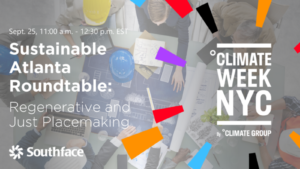
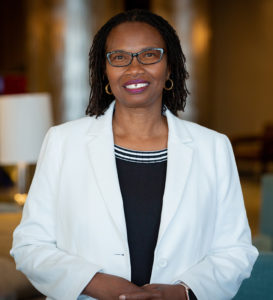 TFN's President and CEO Patricia Smith will be joining Southface Institute's Sustainable Atlanta Roundtable as part of Climate Week NYC. She'll join a global panel of women thought-leaders as they discuss regenerative placemaking, climate-smart architecture, spatial justice and the supporting mechanisms that can increase the momentum toward equity and sustainability.
About the Sustainable Atlanta Roundtable
Sept. 25, 2020 at 11 a.m. ET
While efforts to protect and steward natural resources is essential to a climate-safe future, it is no longer enough. Far too often, resource use and development planning are determined by those in positions of power without truly considering the needs and desires of disadvantaged communities, despite claims of engagement and outreach. The pandemic has starkly revealed the gap between intention and reality, and how entrenched disparities and injustice have blocked access to safe, healthy and restorative homes, commons and other built environments for many.
How can we bring together the needs of people and the places they live so communities and people can thrive, where the civic commons maximizes human potential, and is nourishing, accessible and enriching for all? How can we leverage the combined strength of the environmental and justice movements, and create the space to fully understand the needs and desires of all communities? How can we build, improve and reimagine physical spaces not only to be equitable, just and engaging but to facilitate reckoning and healing from systemic oppression?
Join Southface Institute President Andrea Pinabell and a panel of women thought-leaders from around the globe, including:
Irene Balza, Project Manager, StreetPlans
Amanda Eichel, Executive Director, Global Covenant of Mayors for Climate & Energy
Bridget Marquis, Director, Reimagining the Civic Commons
Patricia L. Smith, President and CEO, The Funders Network
The panel takes place at 11 a.m. ET Sept. 25 and will include a robust dialogue about regenerative placemaking, climate-smart architecture, spatial justice and the supporting mechanisms that can increase the momentum toward equity and sustainability.
About Climate Week NYC
Climate Week NYC (Sept. 21-27, 2020) is biggest climate summit taking place this year. As the focus shifts to how we rebuild after COVID-19, Climate Week NYC 2020 will explore what lessons we can learn in the pursuit of a net-zero future through just transition.
All events, as well as highlights from more than 350 events taking place across New York City and around the world, will be available to view from Climate Week NYC's Facebook Watch page starting Monday, Sept. 21, 2020. You can also search the events program, save events to your schedule, and explore Climate Week NYC from your phone via free mobile phone apps. Learn more here.
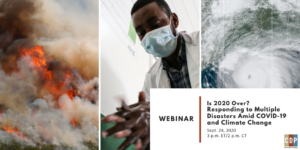
Is 2020 Over? Learn how philanthropy is responding to a year of non-stop disasters
BY TFN STAFF
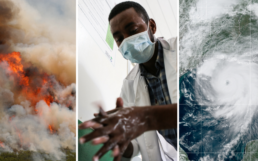
TFN is among the co-sponsors of this Sept. 24 webinar organized by the Center for Disaster Philanthropy (CDP). TFN works with CDP to provides curriculum, facilitation and technical assistance to TFN's Philanthropic Preparedness, Resiliency and Emergency Partnership (PPREP).
Is 2020 Over? Responding to Multiple Disasters Amid COVID-19 and Climate Change
Thursday, Sept. 24, 3 p.m. ET
It feels like 2020 has lasted 15 years. The Center for Disaster Philanthropy (CDP) staff started following COVID-19 in January while we were also responding to the Australian wildfires and the earthquakes in Puerto Rico. The beginning of the year is usually a slower time, but 2020 began as it meant to go on: with continual disasters all existing within the context of the global pandemic. It has also been a year when climate change has given us urgent reminders of its impact on disasters.
In this webinar, CDP staff will reflect on lessons learned, challenges and opportunities presented by different disasters – particularly wildfires, hurricanes and the derecho – and how COVID-19 has framed the response. We will share insights from our response to the global pandemic and how climate change has affected the disaster landscape.
Grantmakers and donors will hear about some of the fantastic organizations doing critical work on the ground and how they can support response and recovery in ways that prioritize communities of color and other vulnerable populations during these challenging times.
Register for the webinar here.
Partners for Places Mini Grants: Applications Now Open for Round 2!
BY TFN STAFF

Mini Grants Now Available
Applications Due Sept. 30, 2020
Mini Grant Application
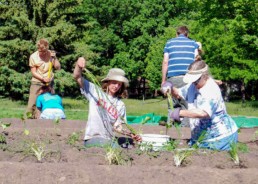
The Funders Network (TFN), in partnership with the Urban Sustainability Directors Network, is pleased to announce that Partners for Places is offering its second round of Mini Grants to help local governments, local foundations, and frontline community-led group(s) build relationships, align around project ideas, and ideally develop a proposal that centers on racial equity in water, sustainability, and/or climate action work.
Mini grant applicants can receive up to $10,000 and are designed to strengthen the relationship between the three partners in order to aid in the development of a full and jointly developed P4P proposal. Applicants can request funding to hire expertise and/or to bring together local government water and/or sustainability department leaders, local funders, and frontline community-led group(s). Frontline community members may be compensated for their participation.
Mini Grant applications are due on Sept. 30, 2020 (by 11:59 p.m., any time zone).
 Background
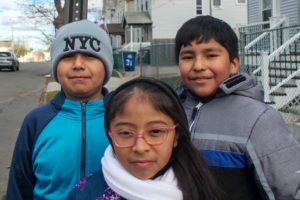
Partners for Places is a successful matching grant program that improves U.S. and Canadian communities by building partnerships between local government sustainability leaders, local frontline community-led groups, and place-based foundations. National funders invest in local projects developed through these partnerships to promote a healthy environment, a strong economy and well-being for all residents. Through these investments, Partners for Places fosters long-term relationships that make our communities more prosperous, livable and vibrant.
Please visit the Partners for Places webpage for more information. Here you can view our current Invitations to Apply and our Proposal Award and Guidance Document. You may also consult our Proposal and Award Guidance document to learn more about frequently asked questions.
Funder Investors
Partners for Places is supported by The JPB Foundation, Kendeda Fund, The Kresge Foundation, New York Community Trust, and the Pisces Foundation.
Want to know more about the Mini Grant Recipients of Round 1? Meet the Mini Grant Round 1 Grantees here.
ICYMI: Catch up on The Funders Network's 2020 Virtual Conference: Bridge the Divide
BY TFN STAFF
As we face unprecedented challenges to the health and economic well-being of communities across the globe, we are so heartened to see so many members in our network work to bringing people together to find common ground and inspire collective action — even if that means coming together in a virtual space.
At the outset of the coronavirus pandemic, TFN — like many, many organizations — had to rethink our annual conference, originally slated for mid-March in San Diego.
We brought together more than a dozen speakers from across the philanthropic sector and beyond to lift up philanthropy’s unique potential to bridge differences, foster connections and build partnerships — and address urgent issues such as climate change, economic disparity and racial injustice.
In case you missed any of these virtual events, we're pleased to share audio and video recordings of TFN's 2020 (Virtual) Conference: Bridge the Divide. (You'll also see some additional resources that may provide helpful context for the events listed below.)
Our virtual conference featured seven institutes, workshops and plenaries — and attracted hundreds of registrants — over two weeks of programming, including a performance by the San Diego-based Playwrights Project and a "quarantine and chill" version of our popular Sunday Night at the Movies event.
TFN’s annual conferences have always brought together leaders in philanthropy who are committed to creating communities that are sustainable, prosperous and equitable. And this year, while definitely challenging, was no exception. In addition to our annual conference programming, TFN has embarked on a year-long Bridge the Divide learning series, presenting monthly webinars on a range of economic, environmental and equity issues facing our communities. (Catch up on the Bridge the Divide learning series here.)
Thanks to all the designers and speakers for sharing your work and expertise, and for helping to make this a successful virtual event!
ICYMI | TFN's 2020 (Virtual) Conference: Bridge the Divide
Playwrights Project: Where Stories Take the Stage
May 11
Click to Download: Recording
Join us for a virtual performance by Playwrights Project, which focuses on the power of theater to connect to universal themes that impact everyone, such as the need for love, acceptance, understanding, and connection.
The San Diego-based group’s programming delves into a number of issues including immigration, foster care, military service and incarceration. Their program Border Lines/Líneas de la Frontera creates fictional plays based on real life experiences along the U.S.- Mexico border to break down barriers, demystify common stereotypes, honor cultural traditions, celebrate the joy of living, inspire hope, and build sensitivity to the challenges faced by immigrants struggling to adapt to a different culture and language.
Speakers:
Fernando Garcia, Founding Director, Border Network for Human Rights
Cecelia Kouma, Executive Director, Playwrights Project
Mabelle Reynoso, Dramaturg, Playwrights Project
Michelle Jaramillo, Director, Education Initiatives, The San Diego Foundation (Moderator)
COVID-19 and the U.S. – Mexico Border
May 12
Click to Download: Recording
More than 50 million people cross the border each year between Tijuana and San Diego, making the region home to the busiest land-border crossing in the world. It is home to a combined population of roughly five million people, making it the largest bi-national metropolitan region shared between the United States and Mexico.
And in recent years, communities on both sides of the international border have grappled with the impacts of an ongoing human rights crisis as migrants and refugees, fleeing violence in their home countries, seek asylum in the United States. As the U.S. embarks on increasingly hard-line immigration policies, leaders in philanthropy have been called to respond with urgency to the humanitarian crisis at our southern border — as well as to help shape a national conversation that centers equity, justice and compassion at the heart of this debate.
During this webinar, we’ll learn about cross-border relationships and their efforts to address a variety of social and environmental justice issues, including the current COVID-19 pandemic. Funders will hear from local experts and community leaders to learn about the complexities of the border and various dimensions of the immigration crisis, to inform and guide their long-term funding strategies.
This webinar was moderated by the International Community Foundation and is presented in partnership with Hispanics in Philanthropy.
Speakers:
Eliza Brennan, Senior Program Officer, International Community Foundation
José Franco García, Organizing Director, Environmental Health Coalition
Paulina Olvera Cáñez, Executive Director, Espacio Migrante
Hilda Vega, Deputy Director, Hispanics in Philanthropy
Steve Wright, Co-Director, 4Walls International
Supporting Materials
- ICF Border Fund Strategy
- Coronavirus, Climate Change, and the Environment
- COVID-19 Could Help Solve Climate Riddles
- The Climate Crisis, Migration, and Refugees
- Business Booming in the San Diego Tijuana Border Region
Bridge the Divide: Women of Color — Building Power and Revitalizing Democracy
May 14
Click to Download: Recording
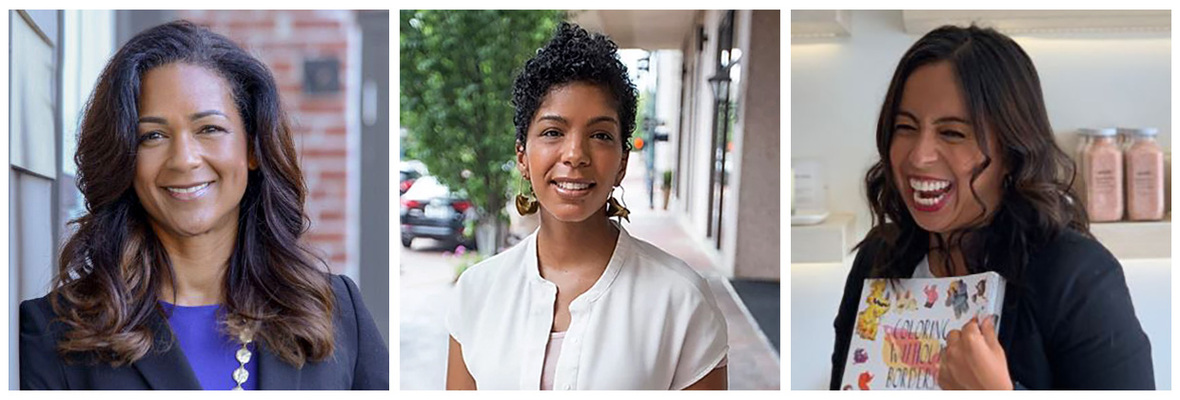
From left: Aimee Allison, Rukia Lumumba, Sandra Cordero
In a moment of roiling political divisions and high-stakes policy fights over racial, social and environmental justice and now a worldwide pandemic, women of color are emerging as leading voices and movement catalyzers.
They also representing a powerful — but often overlooked and underrepresented — voting bloc: One in five voters in presidential primaries are women of color, and they make up as much as 25 percent of the voters in key swing states such as of Texas, Florida and Arizona.
We hope you’ll join us for a candid conversation about how women of color are mobilizing action and redrawing the rules of engagement. We will hear from Aimee Allison, the founder and president of She the People, a national network elevating the political voice and power of women of color. Sandra Cordero, a political communications and engagement strategist and the former director of the Families Belong Together Coalition, and Rukia Lumumba, founder and executive director of the People’s Advocacy Institute.
Sunday Night at the Movies: North Pole
May 14
Click to Download: Recording
We invite you to quarantine and chill with us for a virtual edition of our popular Sunday Night at the Movies. We’ll screen a sneak peek of the second season of The North Pole, an irreverent and deeply moving web-series about gentrification, environmental justice, and where we call “home.” We’ll then be joined by members of the The North Pole team for a lively panel discussion moderated by TFN President and CEO Pat Smith.
Speakers:
Josh Healey, Executive Producer, The North Pole
Yvan Iturriaga, Director, The North Pole
Santiago Rosas, Actor, The North Pole
Q&A Moderator: Pat Smith, TFN President & CEO
Bridging Across Sectors: Investing in Climate Resiliency, Community Health and Equity
May 19
Click to Download: Recording
The climate crisis is having immediate and disproportionate impacts on the health and well-being of people of color and low-income communities. As health disparities are being exacerbated by the COVID-19 crisis, 2019 was recorded as the second hottest year on the planet. Using transportation justice as a lens, the session will highlight strategies being utilized for cross-sector solutions to tackle emissions reduction, chronic air pollution, and respiratory health — including how air pollution health impacts intersect with the response to the coronavirus pandemic. Addressing the gravity of these multifaceted impacts is requiring innovative approaches that bridge across national and place-based foundations, work in support of community-based visions, and leverage government investments.
This webinar will explore how investing in frontline community leadership priorities can result in effective actions toward climate resiliency and community health. The discussion will be informed by an important new report on funder and nonprofit work in the climate, health and equity arena, produced in partnership with seven philanthropy serving organizations.
Speakers:
Katie Byerly, Program Officer, The Kresge Foundation (Welcome Remarks)
Yana Garcia, Assistant Secretary for Environmental Justice and Tribal Affairs, California Environmental Protection Agency
Diane Takvorian, Executive Director, Environmental Health Coalition
Katie Valenzuela, Policy and Political Director, California Environmental Justice Alliance
Gisele Fong, Program Manager, The California Endowment (Moderator)
Additional Resources:
- Environmental Health Coalition
- CALENVIROSCREEN: A Critical Tool for Achieving Environmental Justice in California
- Environmental Justice Screening Method
- Start Here, Start Now: An environmental Justice Assessment of the City of San Diego Climate Action Plan
- BBC: How air pollution exacerbates Covid-19 (4/27/20)
- Study: SARS-Cov-2 RNA Found on Particulate Matter of Bergamo in Northern Italy: First Preliminary Evidence (4/24/20)
- The Guardian: Coronavirus detected on particles of air pollution (4/24/20)
- NY Times: New Research Links Air Pollution to Higher Coronavirus Death Rates (4/7/20)
- Climate Change, Health, and Equity Survey Findings: Gaps, Needs, and Opportunities (March 2020)
Funder Webinar Recording: First Detailed Overview Of Work And Funding At The Intersection Of Climate Change, Health, And Equity (March 26, 2020)
Think Systemically, Act Collaboratively: Empowering Networks to Align Efforts and Accelerate Impacts
May 21
Click to Download: Recording
In recent years, grantmakers have begun to experiment with systems-based approaches, operating from a deeply collaborative framework that is shifting fundamental expectations about what is possible. During this webinar, we’ll explore how systems thinking and collaborative networks can offer a powerful and nimble way to make sense of, and be responsive to, changing landscapes and needs, particularly within the context of the current pandemic. Please join us to increase your understanding of how systems thinking and collaborative networks can break down silos, build cross-sector collaboration, and advance our collective impacts.
Speakers:
Eleni Sotos, Senior Program Officer, Garfield Foundation (Co-Facilitator)
Ruth Rominger, Collaborative Networks Program Director, Garfield Foundation (Co-Facilitator)
Additional Resources:
- Systems Practice, The Omidyar Group (A terrific online, guided course and workbook, available to download on its own, on systems thinking and strategy)
- GEO’s Systems Grantmaking Resource Guide
- FSG, The Water of Systems Change
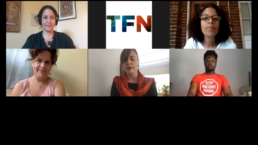
Reclaiming Our Story: Words, Stories and Narrative in the time of COVID-19
May 26
Click to Download: Recording
Now more than ever, we need to center racial justice and equity in how we speak, write and tell stories. This applies to individuals, organizations, movements and philanthropy. Join us for 75 minutes to hear about new research and strategies for communications and organizing that can shift the narrative around essential workers, the importance of home to public health, and what an equitable recovery should look like. All of the speakers are dynamic (even in Zoom) and each will bring a unique perspective about storytelling. Collectively they will share research, messaging guides, short videos and tips about how to create new content in the midst of a pandemic. We promise you’ll be smarter and better equip to tell (and support) a justice and equity-centered story after this webinar!
Speakers:
Anat Shenker Osorio, Principal, ASO Communications
Luisa Dantas, Director and Producer, Jolu Productions
Maurice BP Weeks, Co-Executive Director, Action Center on Race and the Economy
Marisol Bello, Director of Content Strategy and Development, Community Change
Additional Resources
-
Check out Race Class Narrative Action and The Housing Justice Narrative project for up-to-date research and guidance about language (and the attached language guide on policing and protest)
-
Support the work of groups doing movement aligned research and communications on racial and economic justice, like the Action Center on Race and the Economy.
-
Check out this ad from Race Class Narrative Action and Black Visions Collective in Minnesota, produced by Luisa Dantas and Jolu Productions.
Featured image at top of post: Screenshot of our virtual session, "Reclaiming Our Story: Words, Stories and Narrative in the time of COVID-19."
[/vc_column_text][/vc_column][/vc_row]

In the wake of a deadly 'derecho,' Greater Cedar Rapids Community Foundation launches Disaster Recovery Fund
BY TFN STAFF
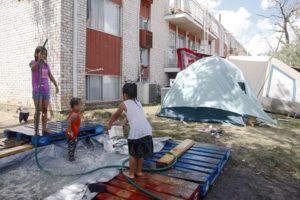
It’s been more than a week since a severe storm system known as a derecho tore through large swaths of the Midwest with winds topping 100 mph, causing widespread damage and leaving more than a million customers without power.
The Iowa city of Cedar Rapids, and surrounding Linn County, has borne the brunt of the derecho’s impact, with recovery and relief efforts complicated by a sudden storm that hit amid an ongoing coronavirus epidemic.
In response to this disaster, the Greater Cedar Rapids Community Foundation has established the Disaster Recovery Fund to channel charitable contributions to support Linn County communities — and provide resources where they are needed most, according to the foundation.
“The derecho has created a widespread disaster for our area,” said Les Garner, president and CEO of the Greater Cedar Rapids Community Foundation. “This fund provides a way for donors and supporters to directly give to our community’s greatest needs.”
The foundation, a member of the The Funders Network, is a participant in TFN’s PPREP learning cohort. PPREP, which stands for Philanthropic Preparedness, Resiliency and Emergency Partnership, was created to provide resources for community foundations to build their skills and leadership capacity in order to be better informed and prepared should a natural disaster strike their community.
Thousands of Cedar Rapids residents have been without power since they were hit by the fierce derecho. Nearly 97 percent of homes and businesses in surrounding Linn County were initially without electricity, and authorities have said it could take at least a week before full power is restored.
At least four deaths in the region have been attributed to the storm.
Hurricane-force winds gusting up to 112 mph in the rare derecho storm flattened 37 million acres of crops in the Midwest, including 14 million in Iowa, and damaged many homes and businesses, according to the U.S. Department of Agriculture.
But unlike a hurricane, which typically prompt a pre-disaster emergency declaration that allow emergency services to theoretically gear up in advance, the derecho hit vast swaths of the state with almost no warning.
“More than 1,000 homes in the Cedar Rapids area have been declared uninhabitable, raising the specter that hundreds of families could be without a place to stay at a time when the state remains in the grip of the pandemic, reaching an all-time high of 832 new coronavirus cases on Saturday,” according to the Washington Post.
Initially, the Disaster Recovery Fund will provide basic needs for those disproportionately affected by the derecho destruction. In the long term, the fund will adapt to evolving needs.
“Resources will be directed to where the need is most pressing,” said Garner. “We are working with nonprofits, city leaders, and community partners including the Linn Area Partners Active in Disaster (LAP-AID), to determine needs and distribute charitable resources in the most effective and efficient way. Philanthropy can help fill the gaps of needs not being met by other resources. This fund connects donors to help meet those needs.”
Read the foundation’s full announcement here.
Additional Resources
To learn more about how to help those impacted by the Midwest derecho, the Iowa Council of Foundations, another participant in TFN’s PPREP learning cohort, has prepared this fact sheet of resources for communities. In it you can find information on how to donate, where to volunteer, and how to access resources such as food distribution and other assistance. If you have additional resources to include, please email info@iowacounciloffoundations.org.
To find out more about TFN’s PPREP cohort, which is drawn from a 10-state Midwestern region, please reach out to Vice President and Director, Member Services Maureen Lawless at maureen@fundersnetwork.org.
Featured image at top: Last week’s derecho left widespread damage in the Cedar Rapids area. Photo credit: USA Today.