
Community Change Learning Exchange: Frank talk for foundation leaders and staff
By: TFN Staff
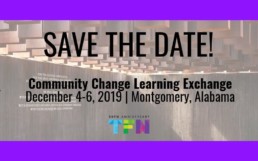
Save the date for this year's Community Change Learning Exchange (CCLE), a forum for foundation leaders and staff to engage in frank discussions about the opportunities and challenges associated with place-based community change. CCLE's aim is to promote honest dialogue about the realities of undertaking place-based work and what funders might do differently to ensure the equitable, long-term viability of community change work.
A central assumption of CCLE is that the purpose of community change is to dismantle the underlying systemic and structural conditions that perpetuate disparity and disinvestment in low-income neighborhoods and communities of color.
This year, CCLE will take place Dec. 4-6 in Montgomery, Alabama.
What are the desired outcomes?
We hope that learning, sharing and challenging one another through authentic “safe space” conversations on our respective work in place-based community change enables us to:
• Capture, cull and disseminate the best practice lessons to the field of place-based community change
• Glean learning opportunities from others in the field for the purpose of informing one’s own place-based community change work
• Advance funder thinking and action to the importance and value of community change work in your own places.
• Advance funder thinking around race and equity and how it connects to community change work in your own places.
How does the CCLE operate?
CCLE aims to provide a means to unlock and share lessons learned, what works, what doesn’t and what still remains to be learned, as well as to create a safe space for funders to discuss not only past, but current challenges they are experiencing in community change work.
The CCLE creates an opportunity for funders to discuss – openly – opportunities, challenges and perspectives in community change work.
We invite you to save the date and stay tuned for more information!
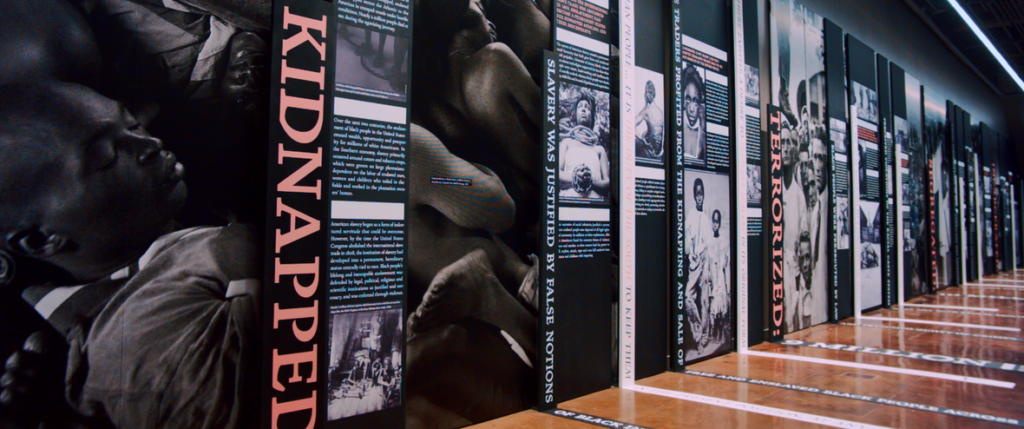
The Legacy Museum: From Enslavement to Mass Incarceration
About Community Change Learning Exchange (CCLE)
The Annie E. Casey Foundationconvened the first CCLE meeting in Baltimore in 2014 and has served as the CCLE convener and executive secretariat, but CCLE is not a Casey initiative. The foundations that hosted the CCLE meetings have been involved in place-based work, including implementing long-term community change initiatives (CCIs). The meeting explored lessons related to community engagement, race equity and inclusion, transparency, mitigating the effects of gentrification and displacement and other essential elements of effective place-based work. Community representatives also participated in CCLE site visits and discussions, allowing foundation representatives to engage with them at a depth that is unusual in many funder-grantee relationships.
CCLE is a vital forum for capturing and sharing knowledge, as well as a community of support for representatives of foundations engaged in placed-based community change. It offers a safe space for discussion and reflection that is hard to achieve when one is immersed in actually doing the work. CCLE augments the work of philanthropic affinity groups concerned with place-based work (all of which participated in CCLE) and provides a platform to inform the field about how to do this important work better. To date, approximately 100 foundation staff and other stakeholders participated in the four CCLE sessions.

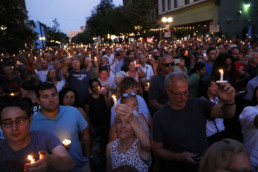
The mind reels, the heart aches. But our values are not negotiable.
By Patricia L. Smith, TFN President & CEO
Three mass shootings in less than a week. Two of which involved a shooter who espoused white supremacist views before launching horrific attacks.
Like most of you, I have spent the last several days trying to wrap my head around what we’ve become as a nation. Who we are. Where we’re going.
Nine dead in Dayton, Ohio, after a gunman opened fire on people just looking to hang out at their neighborhood bar.
Twenty-two dead in El Paso, killed by a gunman whose racist manifesto lamented a “Hispanic invasion.”
Three dead at a festival in Gilroy, Calif., shot by a man who promoted white supremacist literature on social media shortly before the attack.
At the time of this writing, there have been 253 mass shootings in America this year, according to the non-partisan Gun Violence Archive. More shootings than days so far in 2019.
The mind reels and the heart aches.
Of course, we know that incidents involving guns have been a plague on America before the current administration — including not just mass shootings, but also deaths by suicide, domestic violence, police-involved shootings and depressingly routine violence that rarely merits more than a 20-second segment on the local news.
And yes, we know that racism and xenophobia likewise predate the current administration — it is impossible to look at our history without considering the taint of slavery, genocide and forced displacement of native peoples, the treatment of immigrants and the legacy of inequitable policies that continue to impact access to everything from clean air and drinkable water to affordable healthcare and decent housing.
We know that there are many people and institutions — including among the membership of the Funders’ Network — who have spent years and decades tackling these very issues.
We know all of this this. And yet it doesn’t lessen the pain and confusion and horror of the past few days. And it doesn’t lessen the grim reality that these shootings may one day fade from our minds.
Don’t believe me? Take a look at this list of the deadliest mass shootings in recent decades and count how many you’ve forgotten. How many have slipped from your memory until you see the names of the city and the death toll once again in black and white?
Maybe this time will be different. We always hope that this time will be different.
I will note that the president’s public statement on Monday — unlike those made in the aftermath of the deadly alt-right protest in Charlottesville — stated that our “our nation must condemn racism, bigotry, and white supremacy.”
But the words read off the teleprompter are in stark contrast to the racist and xenophobic language of his tweets and campaign rallies.
Telling four congresswomen, all women of color, to “go back to where they came from.” Describing the predominately black city of Baltimore as rat-infested and unfit for humans, and leveling jeering broadsides against its African American congressman.
Repeatedly describing immigration as an “invasion” and offering little more than a smirk when a supporter shouts that the best way to deal with illegal immigrants is to “shoot them.”
Words matter, to say nothing of actual policies — enacted or envisioned — that desecrate the environment, separate families and undermine our faith in civic institutions.
The most recent barrage of divisive statements tap into some of the oldest and most pernicious of racists tropes: That the color of your skin, the origins of your last name, or the place where you — or your parents, or your grandparents — were born, makes you less than. Less of an American. Less of a human.
These comments come after months of escalating, hard-line policies and toxic rhetoric that have contributed to a humanitarian crisis at our borders; deplorable conditions at centers where men, women and children seeking refuge are held; efforts to pose a citizenship question on the U.S. Census that could have resulted in a drastic undercount of immigrant communities; and ongoing confusion about whether immigrants and asylum-seekers will be afforded due process guaranteed to them under the law.
The drumbeat of vitriol directed at black and brown people, including migrants seeking refuge at our borders, erodes trust in our communities.
Over the past year, we have heard chilling reports from across our network about how these inhumane actions and attitudes have further isolated a vulnerable population — including a sharp decline in reports of sexual assaults and other serious crimes against immigrants and refugees because victims are distrustful of local authorities and a hesitancy to send children to school or report for work because of fears of being detained.
We saw this in El Paso, where some victims of the shooting were reluctant to seek aid because they feared detention or deportation based on their immigration status.
We are seeing this firsthand in South Florida, which is home to a thriving and diverse community of immigrants from across the world.
South Florida is also home to TFN’s main office, where the majority of our staff are either immigrants or first-generation Americans.
I stand with them, and the rest of the TFN family, in rejecting the racist and xenophobic language that has recently dominated public discourse and continues to poison political debate.
TFN was founded 20 years ago as a non-partisan organization committed to helping create communities that are sustainable, prosperous and just. But non-partisan does not mean that our values are negotiable.
As an organization, we state unequivocally that for communities to truly thrive, those communities must fully embrace and engage all those that have been historically marginalized because of their race, gender, sexual orientation, religion or cultural background — including immigrants, descendants of enslaved people and members of indigenous communities.
As leaders in philanthropy with deep ties to the places you serve, you are uniquely positioned to speak out against intolerance, stand up for the less fortunate and work towards creating communities that are compassionate and just.
To those of you whose foundations are doing this work: Keep at it.
Share what you’re doing and what you’ve learned with us, so that we can in turn amplify those lessons across the network. We are committed to providing a place for our members to come together to share their learning and devise the strategies that will help achieve those goals.
To those of you whose foundations are just beginning to articulate and fight for the values of equity and inclusion — and to those of you who are facing obstacles in even starting those often uncomfortable conversations: Don’t give up.
We’re here for you and are committed to helping our members access the tools and learning they need to turn ideals into impact.
As many of you know, our 2020 Annual Conference will take place March 16-18 in San Diego, which like El Paso is a border town. Our time in San Diego will present an opportunity for funders to reflect and learn about life on the border, including not just the challenges but the rich cultural history of the city as well. Our conference theme — Bridge the Divide — is a challenge to examine and confront the barriers to opportunity, empowerment and justice for all.
As I look across our diverse network of funders and partners, I see people working in communities that span that from coast to coast, from small towns and rural areas to metropolitan cities and their suburbs.
And I see the tremendous potential that can come when we harness our good intentions and leverage our collective resources for the betterment of all.
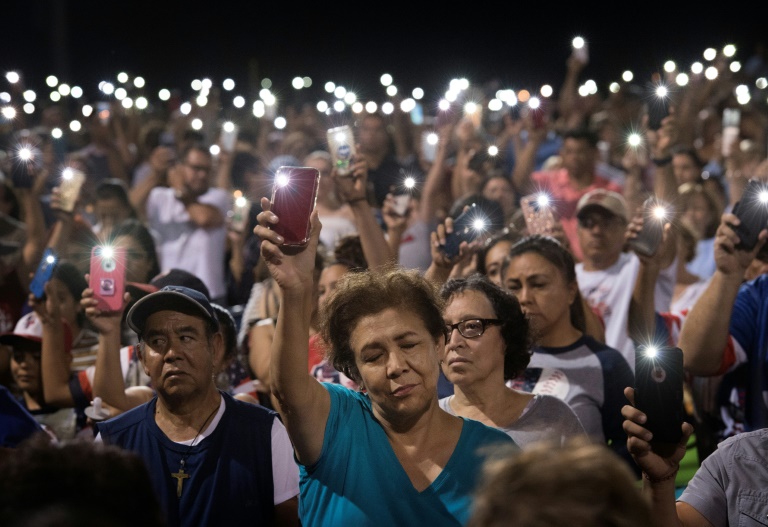
How to Help
The Dayton Foundation has established an Oregon District Tragedy Fund for the victims’ families.
The El Paso Victims Relief Fund, organized in part by the Paso Del Norte Community Foundation.
The El Paso Community Foundation is also accepting donations for victims of the shooting.
The American Red Cross is accepting donations online.
Public Good has launched a fundraiser benefiting Dayton and El Paso victims.
Responses from Leaders in Philanthropy
Below is a roundup of recent statements from leaders in the sector speaking out against racism and xenophobia. Please contact TFN Director of Communications Tere Figueras Negrete if you would like to have a statement added to this list.
Chronicle of Philanthropy: Philanthropy Reacts on Social Media to Mass Shootings in El Paso and Dayton
Kiran Ahuja, CEO, Philanthropy Northwest: Philanthropy Leaders, Join Me in Rebuking Trump’s Racist ‘Go Home’ Tweets
Fred Blackwell, CEO, San Francisco Foundation: Battle the Bully Pulpit, Right Here at Home
Jim Canales, President & Trustee, Barr Foundation: We Must Persevere
Don Howard, President and CEO, The James Irvine Foundation: Standing up to divisiveness, providing aid for immigrant families
Grant Oliphant, President, The Heinz Endowments: It's Time to Bring Back America's Noble Impulses
Rip Rapson, President and CEO of The Kresge Foundation:A ‘problem solver’ president could turn Baltimore around, like Obama did for Detroit
Shanaysha Sauls, President and CEO, Baltimore Community Foundation: Statement on President Trump's Tweets about Baltimore
About the Author
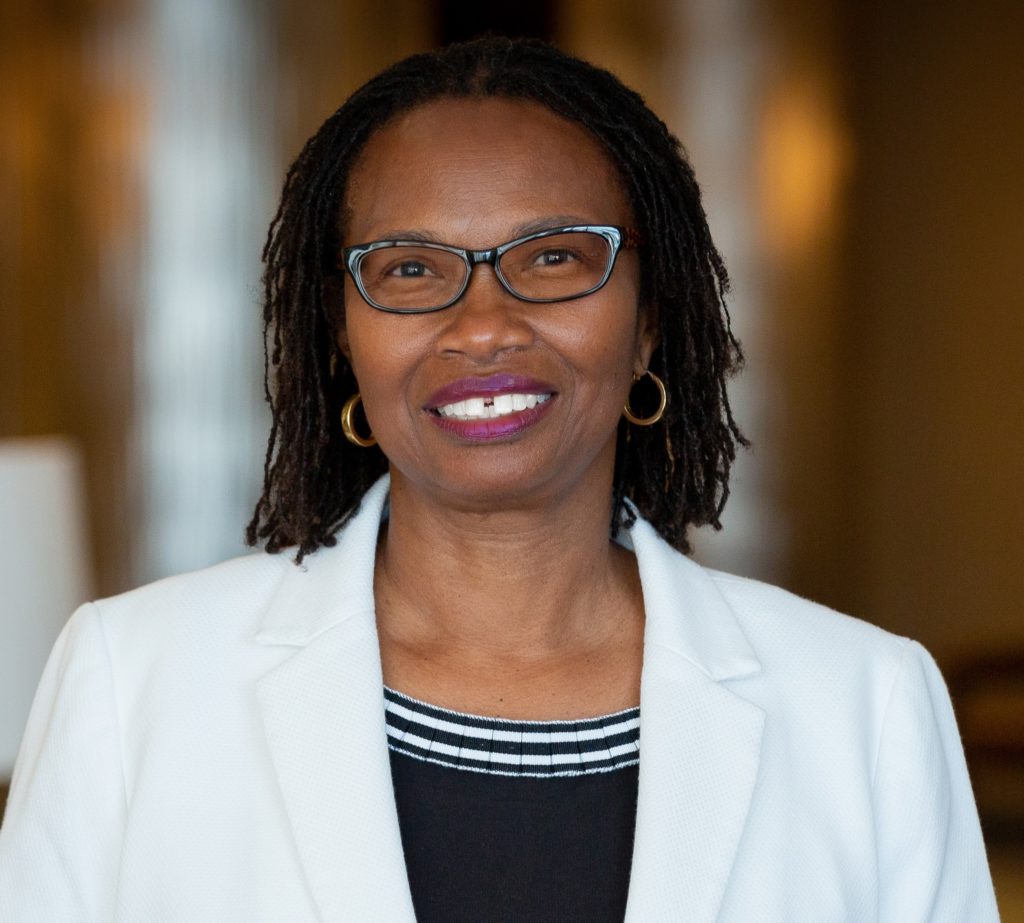
Pat joined the Funders’ Network in July 2018 as president and CEO, bringing with her a wealth of expertise in the public, private and nonprofit sectors. She is formerly a senior policy advisor for the Reinvestment Fund, a national leader working to rebuild economically-distressed communities through the strategic and innovative use of capital, data and partnerships. Read her full bio here.

Reflections from Smart Growth California's Founding Co-chair
By Mark Valentine
Smart Growth California is a TFN initiative that includes funders working together to build healthy, equitable, and sustainable communities throughout the state, with particular attention to our communities with the greatest need. This post from outgoing Smart Growth California Co-chair Mark Valentine originally appeared on the Smart Growth California blog.
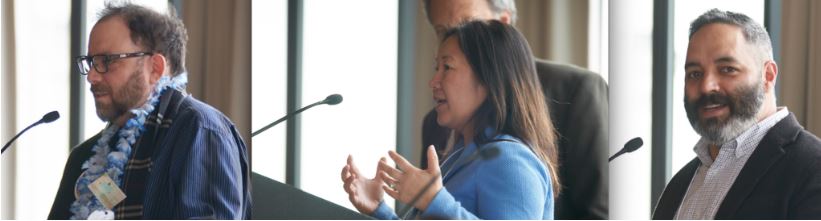
Kaying Hang of the Sierra Health Foundation and
Craig Martinez of The California Endowment .
In March 2019, I had the pleasure of attending the annual conference of The Funders’ Network for Smart Growth and Livable Communities (TFN) in Miami. The conference was a birthday celebration for the organization as well as a homecoming, of sorts — the meeting at which TFN had been founded had been held in Miami twenty years earlier. Thus, in addition to the usual stellar program, there were a number of special events incorporated into the conference to mark the fact that TFN was turning 20.
I attended that inaugural meeting in 1999 in my capacity as a Program Director at the Packard Foundation, and I was among a handful of funders to provide a start-up grant. Twenty years later it was fun to be around colleagues who also were there at the organization’s inception. It also was gratifying to see how that modest investment in TFN has paid impressive dividends over time in terms of the sheer growth of the organization and the impact it has had in shaping the field of integrated, place-based philanthropy.
While in Miami I realized that over the 20 years of TFN’s existence, there’s rarely been a year when I haven’t been in the organization’s orbit as a board member, a consultant, or as a funder. For the past 10 years, I’ve had the honor and pleasure to serve as a founding co-chair of the Steering Committee of Smart Growth California (SGC). I was first paired in that role with Emily Young, formerly of the San Diego Foundation. When she moved on to take the role of Executive Director of the Nonprofit Institute at the School of Leadership and Education Sciences at the University of San Diego, Craig Martinez of The California Endowment graciously agreed to step up to join me as co-chair. After having served ten years in this role, I think it’s time to pass the proverbial torch to my talented colleague, Kaying Hang of the Sierra Health Foundation. She will now assume the role of Co-chair and join Craig in providing support and guidance to SGC’s talented team of Ron Milam, Kerry Hastings and Tim Mok. I’m not going far, however, as I now look forward to taking my place alongside my colleagues as a member of SGC’s Steering Committee.
While I’ll continue to stay engaged in SGC as member of the Steering Committee, the change in my role has caused me to reflect on how much our network has evolved in its first ten years.

Race, Place & Power-building: Learn more about TFN's new Inclusive Economies group
By Alicia Kitsuse, Director, TFN’s Inclusive Economies
The transition of the Restoring Prosperity in Older Industrial Cities working group to Inclusive Economies forges new ground in TFN’s community and economic development work. To mark the official rollout of the new name, and a new framework focused on race, place and power-building, TFN’s Inclusive Economies Director Alicia Kitsuse caught up with steering committee members Wendy Lewis Jackson of The Kresge Foundation and Scot Spencer of The Annie E. Casey Foundation for a conversation about how the past informs the future of this expanding stream of work. (You can read the full announcement about TFN’s Inclusive Economies here.)
Older Industrial Cities was one of the earliest working groups to be established at TFN and has been operating for a good ten years. What was the impetus for this transition?
Wendy: One of the biggest reasons for a change or reset was the need to be responsive to our members, who were going deeper in their work in terms of looking at the broader trends that are shaping the field. Part of that was from coming out of the Great Recession and looking at its effects, and recognizing the need to ensure that inequality — particularly racial inequality —was addressed. We also needed a fresh data set to ground our work.
Scot: Building on that, I think it’s important to recognize that the OIC work was organized at a different point in time, before the recession. With the recession, there was a whole new energy and responsiveness to the plight of older industrial cities, and there was a corresponding role for places that had suffered, particularly those associated with the auto industry. But we’ve come to learn and understand that it’s not just place connections that need to be restored, but people connections. So now we’re focused on including people in place in a renaissance approach to shared prosperity.
Economic inclusion is a prominent issue in philanthropy and, more generally, in community development. What’s distinctive about the way TFN’s Inclusive Economies is approaching this area of work?
Scot: Well, for one thing, we’re putting people at greatest disadvantage and distance from opportunity at the center of how we think about inclusive economies, which we believe is the way to ensure broad-based inclusion. We’re intentional about the pathway to achieving inclusion.
Wendy: I’d add that what makes this group significant and relevant is that it intentionally works at the intersection of the economy, racial equity, and place-based practice. Our distinction is in our holistic and data-informed approach to place-based change.
Scot: Also, we’re not limited by geography—either to place size or type, or to an urban, suburban, or rural environment, or native lands. We’re place agnostic, which adds complexity to how we think about solving for place-based problems.
Are there any lessons from OIC that will be carried over into the new group?
Wendy: What will be important is a continued commitment to a few core principles. One is appreciative inquiry and knowledge sharing — the ability to learn together in place. Another is collaboration among sectors, for example through our partnership with the Federal Reserve [through the Federal Reserve-Philanthropy Initiative] and, in our earlier years, our interactions with the federal government. We also want to be sure we have a breadth of place-based funders in our network— funders working at the national, regional, and local levels.
Scot: Agreed. One of the constants of the working group will be our working partnerships. I see our work with the Fed and others continuing, but I also see us forming new partnerships. When we started the OIC work our partners were at the federal level. In the future, it will probably be more about partnering at the state and local levels to find solutions to local problems as they’re playing out in a global context.
So, moving forward, what are the priority issues or challenges you’d like the group to explore?
Wendy: From my perspective, our highest priority is making sure we have a platform for engaging new interests and participants in the working group. I’d also prioritize increasing and expanding communication about what we’re learning and doing in the working group. How do we ensure that learning and action are coupled with stronger communication with the field?
Scot: One of the things of value would be gaining more knowledge of people in places — an understanding the issues of impacted populations that’s goes beyond what we can learn from quantitative research. For example, our recent community-based research with the Fed underscored the importance of listening to all voices, and how much community-level engagement matters to developing interventions that advance economic inclusion. The other issue I’m particularly interested in is how we do this work in a way that doesn’t shy away from policy challenges at the state and local levels. I’d like to focus on working through to core issues rather than on work arounds.
Do you have an elevator pitch for funders considering joining Inclusive Economies?
Scot: What’s most important about this work is that the vitality of our country and the future of our country depends on reducing racial and economic disparities. As funders, we have a role and a responsibility to reduce and eliminate those gaps for people in the United States.
Wendy: We’re about an expanded approach to thinking about place-based practice. This is a group for anyone who is deeply committed to inclusive economies for all, and to ensuring that no one in local communities gets left behind.

About the Author
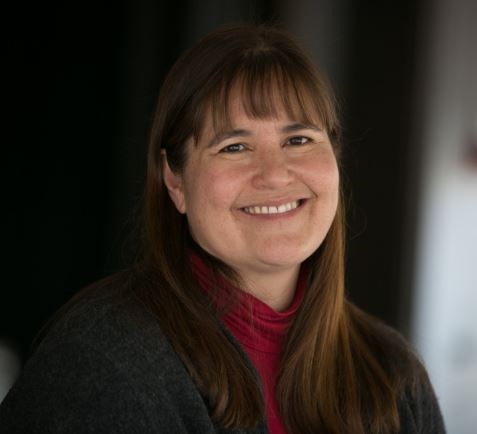
Alicia Kitsuse, Director of Inclusive Economies
As director of the Inclusive Economies Program (formerly the Older Industrial Cities Program), Alicia leads funders in collective learning, knowledge-building, and joint action that advances shared, equitable, and restorative local and regional prosperity.
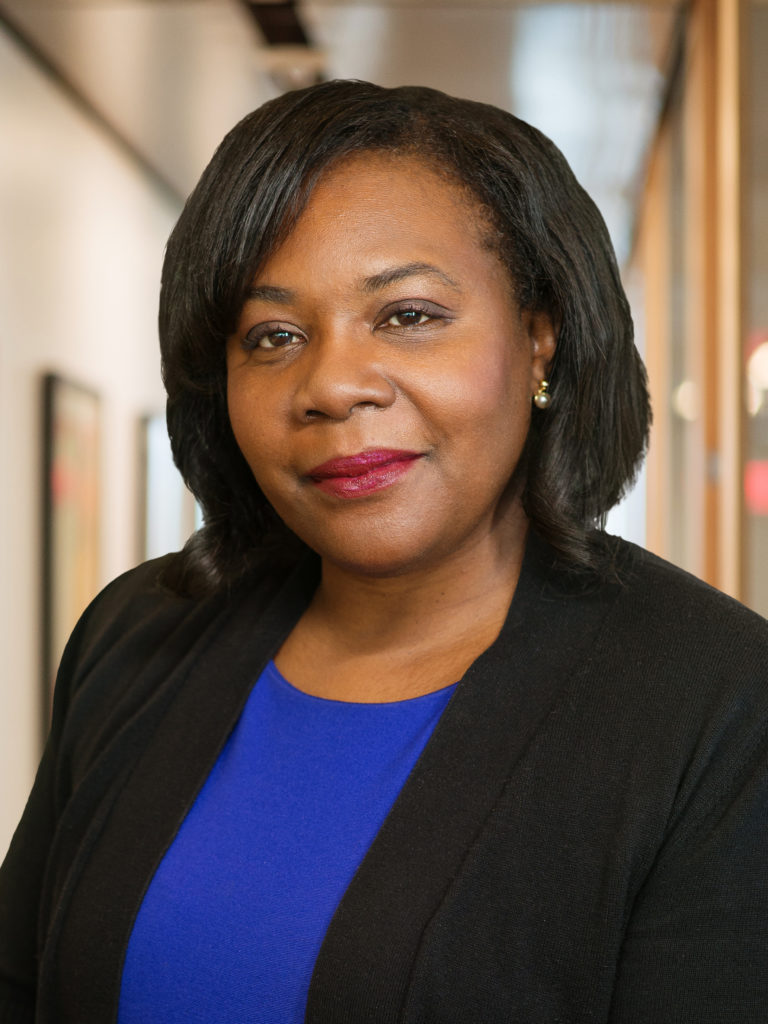
Wendy Lewis Jackson, Managing Director, Detroit, The Kresge Foundation
Wendy co-leads The Kresge Foundation’s efforts to revitalize Detroit and to strengthen its social and economic fabric. Her work supports organizations providing economic opportunity for low-income people and addresses the needs of vulnerable children and families.
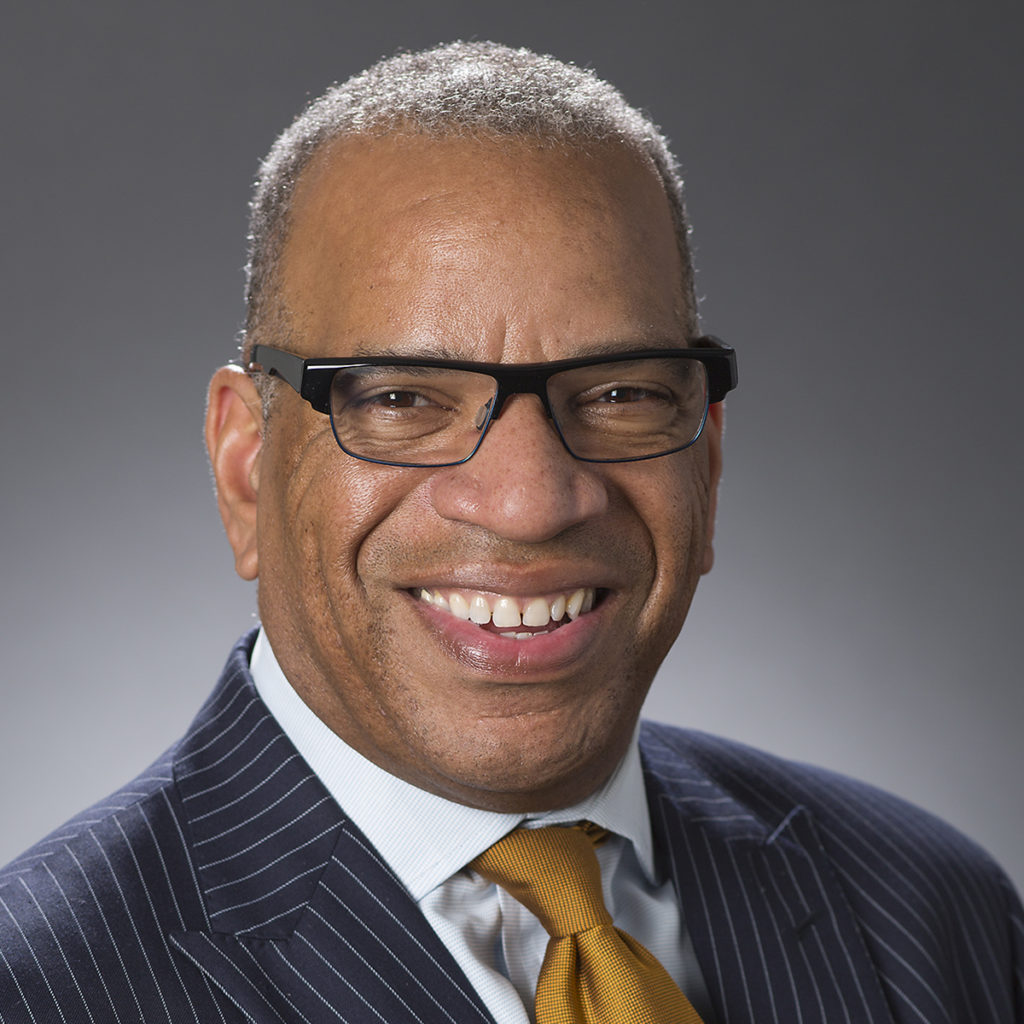
Scot Spencer, Associate Director, Advocacy and Influence, The Annie E. Casey Foundation
Scot leads The Annie E. Casey Foundation’s work in advancing community-focused policies, practices and strategies that increase opportunities for children, families and the places where they live and foster their success. Spencer also coordinates Casey’s local advocacy efforts in Baltimore.

About the feature image:
Photos at the top of this post are from Turning the Corner: Monitoring Neighborhood Change to Prevent Displacement, a three-year project guided by the Urban Institute and the Federal Reserve-Philanthropy Initiative, a collaboration between TFN’s OIC working group and the Federal Reserve. The initiative will continue as part of TFN’s Inclusive Economies group.

California’s Hottest Topic: The Housing Crisis and our Collective Response
By TFN Staff
On June 6, funders from across the state of California engaged in a conversation with a journalist, a nonprofit developer and an advocate attorney on Smart Growth California’s webinar, California’s Hottest Topic: The Housing Crisis and our Collective Response. The provided a timely breakdown of the most recent round of bills in the state capitol, and the opportunities and challenges that lie ahead.
Smart Growth California, an initiative of the Funders' Network, recently posted a recap of this compelling webinar sharing insight from panelists Liam Dillon of the Los Angeles Times, Doug Shoemaker of Mercy Housing,
and Anya Lawler of Western Center on Law and Poverty
Read the full post by Smart Growth California's Kerry Hastings here. For an audio recording of the webinar, reach out to Smart Growth California Director Ron Milam.
#TFNSanDiego
Speaking of California: TFN's 2020 Annual Conference: Bridge the Divide will take place in San Diego March 16-18. We're currently accepting proposals for conference sessions, speakers and mobile workshops,
particularly those that advance TFN’s interdisciplinary approach to equity, economy and environment. Learn more here.
Can evaluations promote equity? Join our next Power Forward webinar to learn more
By: TFN Staff
Funders and philanthropic institutions increasingly embrace equity as core to their work. Yet even among those organizations, evaluation is difficult to examine, revamp and cultivate through an equity lens. Join us for the latest installment of our Power Forward webinar series, Power for Just Practice: How Evaluations Can Promote Equity, 2 p.m. ET Jun 12.
This webinar will examine how funders are deploying new thinking and assets that articulate the value proposition and service paradigm of equity. While not all evaluation approaches are likely to support the shift of power imbalances and reduce inequities, the panel will focus on the principles of Equitable Evaluation and funder practices that support better data, organizational alignments and programs. Discussion will focus on tools and case studies currently being deployed that enhance thoughtful application of philanthropic equity commitments.
Power for Just Practices: How Evaluations Can Promote Equity
June 12 at 2 p.m. ET
Register here
Speakers:
Shamar Bibbins, Senior Program Officer, The Kresge Foundation
Steven LaFrance, Founder and CEO, Learning for Action
Kim Leonard, Senior Research Officer, The Oregon Community Foundation
Moderator
Anna Cruz, Senior Learning and Evaluation Officer, The Kresge Foundation
Please register for this funder-only webinar by June 7 to receive log-in details.
About TFN’s Power Forward series
As part of TFN’s 20th Anniversary in 2019, we’re hosting a series of deep-dive webinars that examine how philanthropy can leverage its collective power across a range of critical issues: policy work, sustainability efforts, economic prosperity, and supporting equity and inclusion in grantmaking. This month we kick Power for Just Practice installment of the Power Forward series, which will feature three webinars focused on embedding an equity lens into organizational practices.
Catch up on the series!
Have you missed a Power Forward webinar? Audio recordings of our webinars are available for download:
February 13: Power for Policy: Restoring Inclusive Democracy
March 13: Power for Policy: Shared Prosperity & Inclusive Economies
April 10: Power for Policy: Media, Messaging & the News
April 23: Power for Policy: Mobility & Access AdvocacyMay 15:Power for Just Practices: Let's Talk Race, Privilege & Philanthropy
Five Cities, Five Sustainability Solutions: Meet our newest Partners for Places Grantees
By Ann Fowler Wallace, TFN Director of Programs
Five cities across the United States will receive more than $920,000 dollars for sustainability efforts that focus largely on empowering and engaging low-income neighborhoods — supporting community-based approaches that address climate impacts, strengthen local economies and improve the well-being of all residents.
The Funders' Network (TFN), along with our partners at the Urban Sustainability Directors Network, is excited to announce the latest grantees of the Partners for Places matching grant program.
These sustainability efforts span both coasts, take place in cities both large and small, and build partnerships between government sustainability offices and place-based foundations.
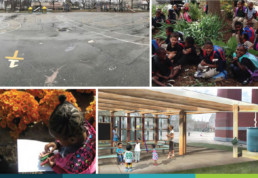
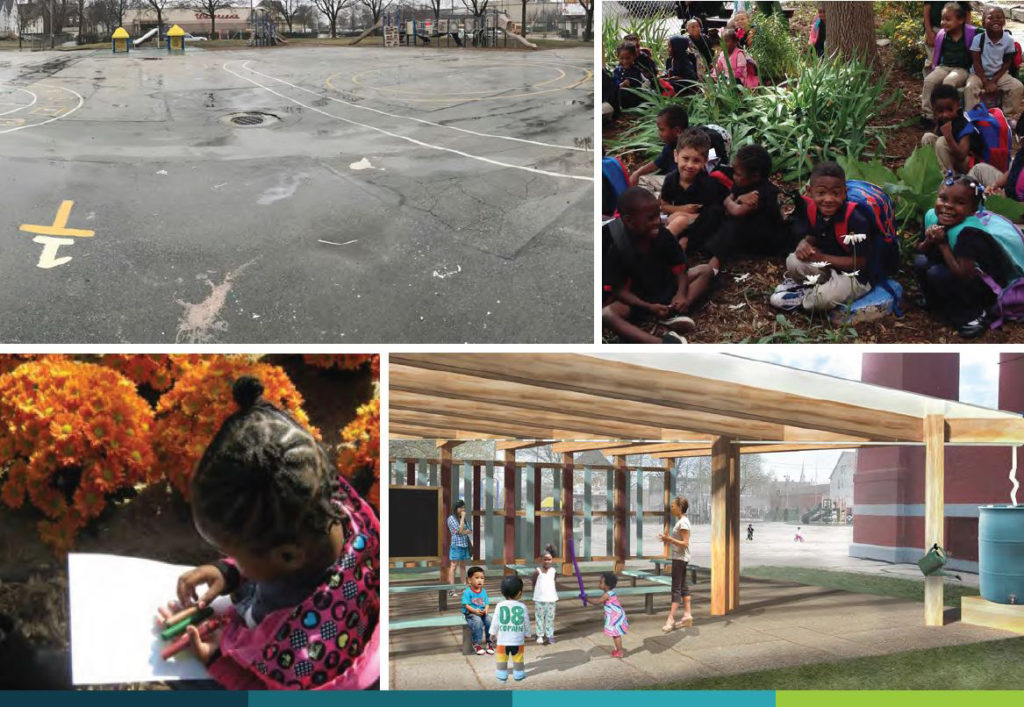
Milwaukee, Wis., will transform playgrounds at two public schools in economically disadvantaged neighborhoods, trading slabs of concrete and chain link fences for vibrant, nature-inspired landscapes with green infrastructure features. The project includes adding environmental education components like outdoor classrooms, learning stations, and planter beds, while also providing funding for a new sustainability project specialist for the public school system.
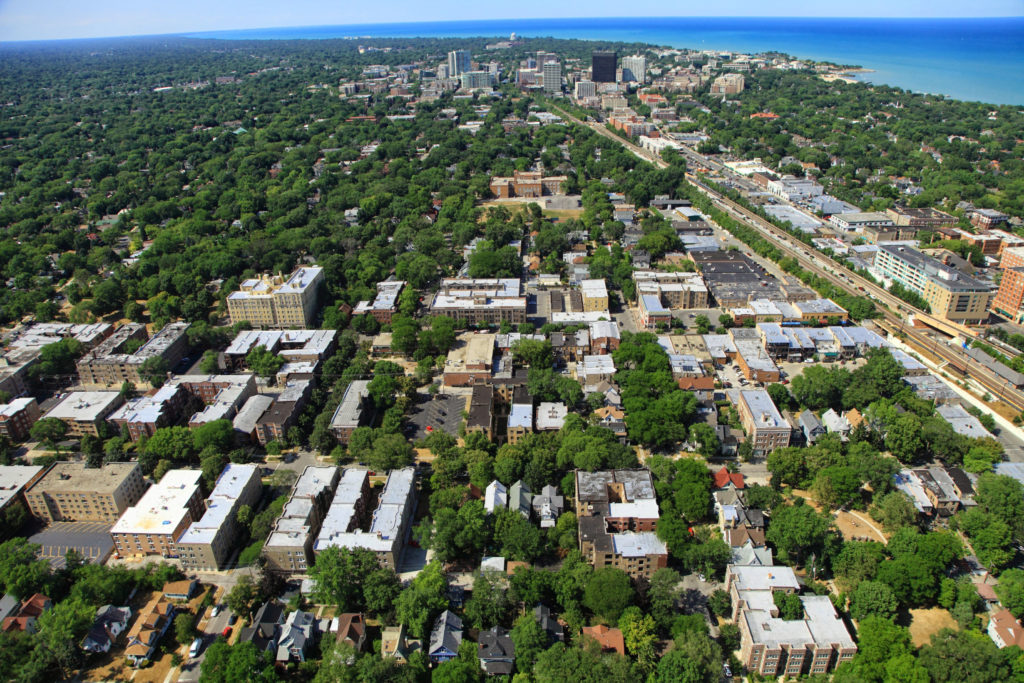
In Evanston, Ill., Partners for Places funding will help the city remove barriers that prevent homeowners and tenants from accessing affordable housing that is energy efficient and climate resilient. The city, which hopes to move toward a net-zero affordable housing standard, will also create an advisory committee made up of local residents, developers, contractors, and architects with sustainability expertise to guide project implementation.
San Diego, Calif., which has adopted an ambitious climate action plan that calls for a 50 percent reduction of greenhouse emissions by 2035, will support efforts to empower leadership on climate solutions in low-income communities disproportionately affected by poverty, unemployment and environmental injustice. Partners for Places funding will also help support San Diego’s climate and equity specialist, one of the first municipal roles of its kind among cities nationwide.
Residents of Newark, N.J., will be able to take advantage of a job training and placement program that connects them to opportunities constructing, inspecting and maintaining green stormwater infrastructure projects, part of a larger city-wide effort to help people find full-time positions and family-sustaining salaries, while also addressing flooding threats in the city’s low income neighborhoods.
In Cleveland, Ohio, Partners for Places will help advance one of the cornerstones of the city’s climate action goals: creating a community-wide transition plan to 100 percent clean and renewable electricity by 2050 that prioritizes resiliency, energy security, and green jobs for Clevelanders most in need.
“Transitioning to clean energy is especially important for a city like Cleveland, where half our children live in poverty and where low-income communities and communities of color spend a disproportionate amount of their income on energy-related costs,” said John Mitterholzer, senior program officer for the environment at The George Gund Foundation. “We believe that cities can become leaders in clean energy by advancing social and racial equity, creating jobs, and making our communities more resilient in the face of climate change.”
The funding is made possible through the Partners for Places matching grants program, which has helped foster dozens of new partnerships between local government sustainability leaders and place-based funders across the U.S. and Canada over the past eight years. The matching grant program brings national funder investors together with place-based funders to support local sustainability and climate action projects.
“These projects harness the power of partnership and collaboration,” said Diane Ives, fund advisor for The Kendeda Fund’s People, Place and Planet program. “It’s heartening to see so much innovation and passion as people across government, philanthropy and other sectors work together to make their communities more sustainable, resilient and equitable.”
Partners for Places, led by the Funders’ Network for Smart Growth and Livable Communities in partnership with the Urban Sustainability Directors Network, will provide $433,790 in funding to these five cities through the grant program. With contributions from local matching funders, a total of $921,540 will be committed to fund sustainability projects in these selected cities.
The program is supported by seven investor foundations: The JPB Foundation, The Kendeda Fund, The Kresge Foundation, The New York Community Trust, Pisces Foundation, The Summit Foundation, and Surdna Foundation. This grant cycle includes $185,000 awarded to two green stormwater infrastructure projects — in the cities of Milwaukee and Newark — designed to advance water-related sustainability goals.
To date, Partners for Places has awarded nearly $7 million across North America in this successful matching grant program, leading to nearly $14 million in investments.
Partners for Places will open a new round of funding for the general grant program on June 3, 2019. The Round 15 RFP will be due July 30, 2019.
The latest Partners for Places grant recipients and their matching funders are:
• Cleveland, Ohio ($50,000): To create a community-wide transition plan to 100 percent clean and renewable electricity that prioritizes resiliency, energy security, and green jobs for Clevelanders most in need. Matching funders: The Cleveland Foundation ($25,000); The George Gund Foundation ($25,000); United Black Fund of Greater Cleveland ($4,000).
• Evanston, Ill. ($125,000): To identify and ultimately remove barriers to achieving affordable, resilient net-zero homes. Matching funders: The Chicago Community Trust ($100,000); Evanston Community Foundation ($25,000).
• Milwaukee, Wis. (75,000): To promote equity and sustainability in Milwaukee Public Schools with natural schoolyards and outdoor classrooms, green infrastructure, and a new sustainability project specialist. Matching funder: Fund for Lake Michigan ($123,750).
• Newark, N.J. ($110,000): To establish a training and jobs placement program for residents to access green stormwater infrastructure construction, inspection, and maintenance opportunities. Matching funders: CareerWorks: Greater Newark Workforce Funders Collaborative ($85,000); Victoria Foundation ($25,000).
• San Diego, Calif. ($73,790): To build community voice and action among communities in Southeast San Diego in implementation of the City of San Diego's Climate Action Plan. Matching funder: The San Diego Foundation ($75,000).
About Partners for Places Partners for Places
A joint project of the Funders’ Network for Smart Growth and Livable Communities and the Urban Sustainability Directors Network, Partners for Places is a successful matching grant program that improves U.S. and Canadian communities by building partnerships between local government sustainability leaders and place-based foundations. National funders invest in local projects developed through these partnerships to promote a healthy environment, a strong economy and well-being for all residents. Through these investments, Partners for Places fosters long-term relationships that make our communities more prosperous, livable and vibrant. For more information on Partners for Places, visit www.fundersnetwork.org/partners-for-places.
About the Funders’ Network for Smart Growth and Livable Communities
The Funders’ Network for Smart Growth and Livable Communities (TFN) is a mission-driven network of grantmakers across North America, working to inspire, strengthen and expand funding and philanthropic leadership that yield environmentally sustainable, socially equitable, and economically prosperous regions and communities.
About The Urban Sustainability Directors Network
The Urban Sustainability Directors Network (USDN) is a peer-to-peer network of local government professionals from cities across the United States and Canada dedicated to creating a healthier environment, economic prosperity, and increased social equity. Our dynamic network enables sustainability directors and staff to share best practices and accelerate the application of good ideas across North America.
For additional information and media inquiries, contact: Tere Figueras Negrete, Communications Director at the Funders’ Network for Smart Growth and Livable Communities, tere@www.fundersnetwork.org

Securing Safe Drinking Water For All
By Juliet Christian-Smith, Program Officer, Water Foundation (via HEFN)
This post originally appeared on the Health and Environmental Funders Network blog. TFN is a co-sponsor of HEFN's April 9 webinar, Activity On Tap: Looking Across The Drinking Water Landscape.
Growing up, my family spent a week every summer on a small island off the coast of Maine reliant on cisterns for fresh water. Water was closely rationed, and showers were scarce. The daily ritual of filling up two pitchers of water for use throughout the day piqued a life-long interest in the limits of our fresh water resources. My passion for all things water eventually grew into a profession as I went on to get a Ph.D., focused on water resource management.
For years, I studied the intricacies of America’s water systems – from the complex laws and regulations that govern how we move and share water to how climate change is creating more violent floods, droughts, and fires. My training as a scientist encouraged me to constantly question underlying assumptions and my passion led me to connect my research to the experiences that directly touch people’s lives.
Now, at the Water Foundation, I use that training and passion to work with creative, ambitious, and thoughtful partners every day to advance lasting water solutions that are informed by science and by the most urgent needs facing communities across the country.
We all need safe, affordable, and reliable drinking water to survive. But in the U.S. today, millions of families and children wake up each morning to toxic, undrinkable tap water. The problem is widespread—touching urban and rural areas alike—but disadvantaged communities continue to be ones most likely to have contaminated water in their homes and schools. Unsafe drinking water is not only a public health crisis but also a reflection of deep inequities and underinvestment in poor communities. Where a person lives and how much money they have can determine whether they get water that is safe and clean.
In this environment, it is not surprising public polling consistently shows that polluted drinking water is among Americans’ greatest worries and highest priorities, cutting across ideology and political affiliations. In 2019, public officials are prioritizing drinking water in their own agendas.
Governor Tony Evers of Wisconsin, for example, in his first State of the State Address, said that 2019 will be the “year of clean drinking water.” New Jersey’s Governor Phil Murphy in his address asked for federal help replacing old pipes. Governor Gavin Newsom in California, kicked off his tenure with a visit to a rural Californian community struggling with clean, affordable drinking water. And, just this past month, the U.S. House of Representatives Committee on Oversight and Reform environmental subcommittee held a hearing to investigate pervasive PFAS contamination.
Philanthropy Can Help Support Sustainable And Equitable Drinking Water Solutions
In the wake of the Flint, Michigan, drinking water crisis and the work of organizations like HEFN, a growing number of funders have begun to recognize the often-hidden public health crisis of unsafe drinking water. Yet, many also voice uncertainty on how best to solve the problem, especially when water policy is traditionally viewed as overly complex and intractable.
To help funders understand the current and emerging threats to drinking water—and solutions they can pursue to tackle both immediate problems and root causes, the Water Foundation recently developed an introductory guide, Securing Safe Drinking Water for All. In the guide, we cover how unsafe drinking water threatens public health as well as offer specific philanthropic interventions that can get to the heart of the challenge.
Key philanthropic interventions that are identified in the guide include:
- Diversifying water leadership,
- Building capacity of small water systems,
- Encouraging investment in drinking water treatment and infrastructure,
- Supporting more comprehensive water testing,
- Supporting structural changes to improve water affordability, and
- Championing climate-smart water supply solutions.
Funders are invited to preview the report during the April 9 webinar, “Activity on Tap: Looking Across the Drinking Water Landscape,” cosponsored by the Biodiversity Funders Group, Environmental Grantmakers Association, the Funders’ Network for Smart Growth and Livable Communities, Grantmakers In Health, and HEFN. I will be moderating a discussion where expert speakers -- Radhika Fox, US Water Alliance; Tom Neltner, Environmental Defense Fund; and Nse Witherspoon, Children’s Environmental Health Network --- will discuss three hubs of activity around drinking water. Click here to read more and register for the webinar today.
As funders, we have the ability and opportunity to drive and scale meaningful solutions to make sure every family has safe drinking water. Please join me on April 9 to learn more about the drinking water landscape and to strengthen connections among other funders for us all to make a difference.
Juliet Christian-Smith is a senior program officer at the Water Foundation with more than a decade of scientific research and policy analysis experience in addition to expertise in water, climate and sustainability issues. She came to the Water Foundation from the Union of Concerned Scientists where she helped lead water and climate work as a senior climate scientist. She earned her Ph.D. in Environmental Science, Policy, and Management from the University of California, Berkeley.
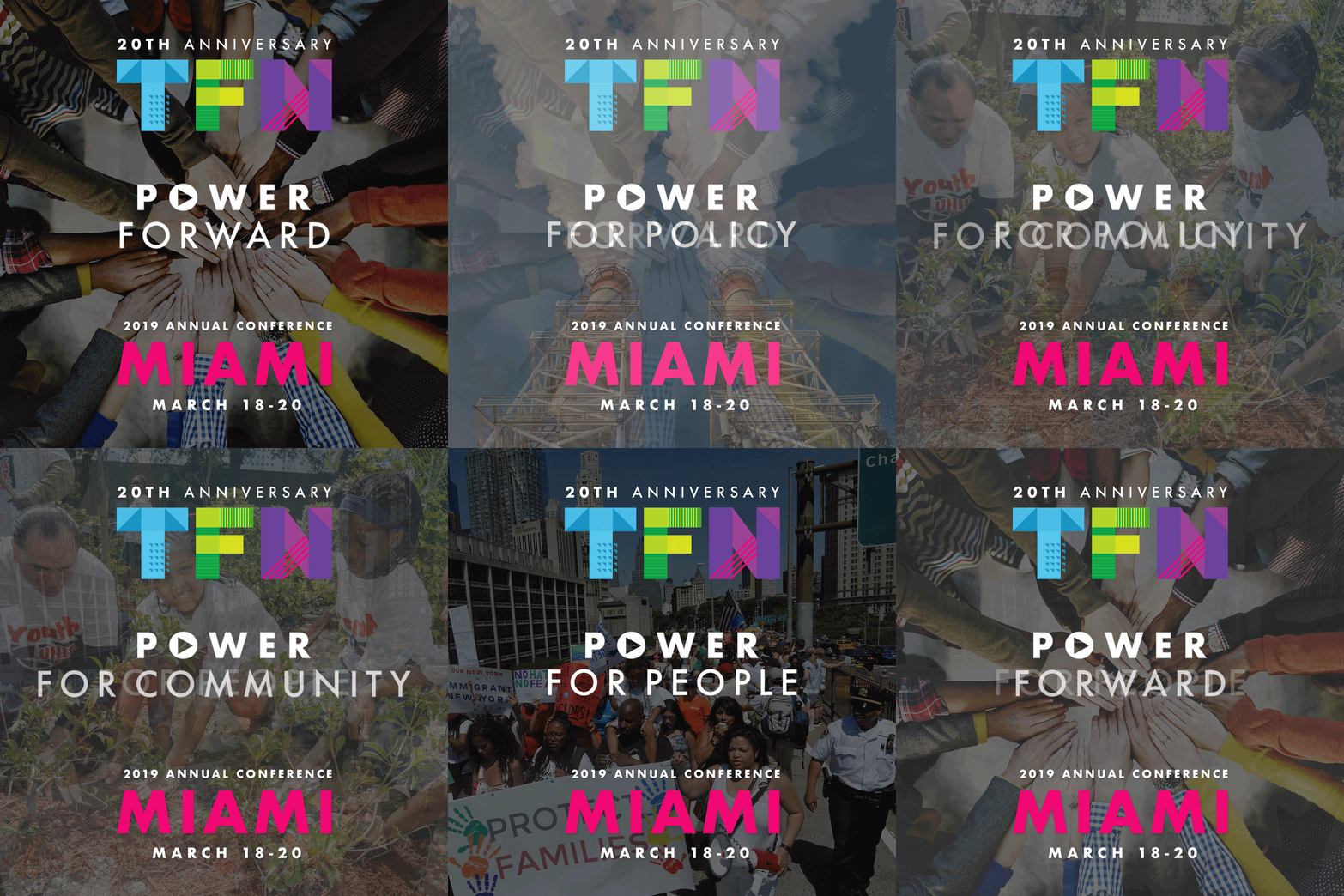
Arriving early? Check out our pre-conference events at #TFNMiami
By Tere Figueras Negrete, Director of CommunicationsThe Funders' Network for Smart Growth and Livable Communities (TFN) is excited to bring our 20th Anniversary Conference back to Miami, the site of our first conference, March 18-20.In addition to our conference lineup of thought-provoking speakers and sessions, we also have a host of before and after #TFNMiami, including several deep-dive learning opportunities, our popular Sunday Night at the Movies and our first-ever PLACES 10th Anniversary Equity Bash.You're welcome to come a little early in order to take advantage of the pre-conference events listed below. (With the exception of the PLACES 10th Anniversary Bash, these events are included in your conference registration, although please note separate RSVPs are required for some events.)Program update: Registration for our Wednesday post-conference tour, Anchoring Change: The New Civics of Miami's Next Economy has reached capacity and is now closed. If you'd like to be placed on a waiting list in case a spot becomes available, please contact Alicia Kitsuse. |
| Sunday, March 17 |
| When Waters Rise 2.0: Equitable Recovery and Resilience Sunday | Noon to 4:30 PM Miami Marriott Biscayne Bay Climate risks pose an existential threat to coastal communities around the globe. Sea levels are rising at alarming rates, coastal land is subsiding in certain areas, and storms are becoming more intense and more frequent. This greater risk of disasters can mean catastrophic losses, especially for those who are socially, environmentally, and economically vulnerable.In June, the Greater New Orleans Foundation launched the When Waters Rise Initiative with an initial convening that brought together community foundations and place-based funders from Rhode Island to Texas to discuss local funders’ roles in contributing to equitable disaster recovery, rebuilding, and long-term resilience.Please join When Waters Rise 2.0 to further explore how place-based funders and community foundations can support equitable disaster recovery and rebuilding efforts grounded in resiliency. Please visit our conference agenda for more information Note: Registration is free but is limited to 40 participants and requires separate registration. Please register via this link. For questions about the convening, email Ella Delio; for problems with registration, email Kristen Craig. |
| PLACES Alumni Gathering Sunday | 12:30 PM - 5:30 PM Miami Beach Community Church |1620 Drexel Ave. | Miami Beach |
| Reimagining the Civic Commons Sunday | 4 PM – 5 PM Knight Foundation | 200 S. Biscayne Blvd, Suite 3300 | Downtown Miami Reimagining the Civic Commons fosters engagement, equity, environmental sustainability and economic development by revitalizing and connecting civic assets. This national initiative is a collaboration of The JPB Foundation, Knight Foundation, The Kresge Foundation and The Rockefeller Foundation, as well as local partners. Projects in Akron, Chicago, Detroit, Memphis, and Philadelphia seek to demonstrate how strategic investments in parks, libraries, trails and community centers can connect people of all backgrounds, cultivate trust and counter the trends of social and economic fragmentation in cities and neighborhoods.Learn more about Reimagining the Civic Commons at this event, hosted by the Knight Foundation. Speakers: |
| TFN Welcome Reception Sunday | 5:00 PM - 6:30 PM Miami Marriott Biscayne Bay Connect with fellow funders, TFN President & CEO Pat Smith, and members of our Board of Directors. We especially welcome first-time conference attendees to join us as we kick off TFN’s 20th Anniversary Conference. |

| Sunday Night at the Movies Sunday 6:30 PM - 8:30 PM Miami Marriott Biscayne Bay Throughout the 1970's, an epidemic of fires consumed the South Bronx, reducing entire blocks to rubble, covering neighborhoods in a permanent haze of smoke and destroying 80 percent of the area’s housing stock. Decades later, Bronx-born filmmaker Vivian Vazquez set out to pursue the truth in Decade of Fire, uncovering policies of racism and neglect that still shape our cities.Presented in partnership with the Wyncote Foundation and The Kendeda Fund, our Sunday Night at the Movies will include a screening of the film as well as a conversation with Vazquez. |
| PLACES 10th Anniversary Equity Bash 8 PM - Midnight Boombox 3456 N. Miami Avenue We'll celebrate 10 years of TFN’s PLACES with our first-ever Equity Bash. Come dance the night away, Miami-style. Join us at Boombox lounge in Midtown Miami, located between the Wynwood and Design District neighborhoods.Note: Requires a separate ticket. Tickets for this event can be purchased when you register for conference. This event is open to all TFN PLACES Fellows and Alumni, TFN conference attendees and guests. |
| Monday, March 18 |
| Pre-Conference Institutes 9 AM - 11:30 AM Miami Marriott Biscayne BayWe're offering two Pre-Conference Institutes this year! Check out our #TFNMiami Agenda for speaker updates. Power for Storytelling: Raising Voices, Driving Change, Creating a Sustainable Future: Explore collaborative approaches to storytelling that are developed in partnerships with local communities. Through stories and case studies, film clips and dialogue, this institute will explore the power that film and communications media can bring to communities, building a renewable, equitable and resilient economy that works for all. Power for Policy: Opportunity Zones, Equitable Development and Philanthropy: In 2017, Congress created a new tool for tax incentive to attract long-term private sector investment in low-income neighborhoods across the country: Opportunity Zones. This policy creates a fundamental question for those concerned with racially equitable and inclusive economic development: Will this policy be a tool for displacement and gentrification that extracts wealth from communities, or will it authentically connect residents with new businesses, jobs and housing that emerge from Opportunity Zone investments?We’ll explore how national philanthropic leaders and others are using their collective resources to influence how this new federal program unfolds, and ensure outcomes are truly equitable. |
| About Our Conference |
| Join us for TFN’s 20th Anniversary Conference in Miami, March 18-20, to explore how we can turn ideals into action.Our conference theme: Power Forward, a call to action for philanthropy to leverage the sector’s collective power to create communities and regions that are truly sustainable and just — work that has taken on new urgency as we face increasingly challenging times. |
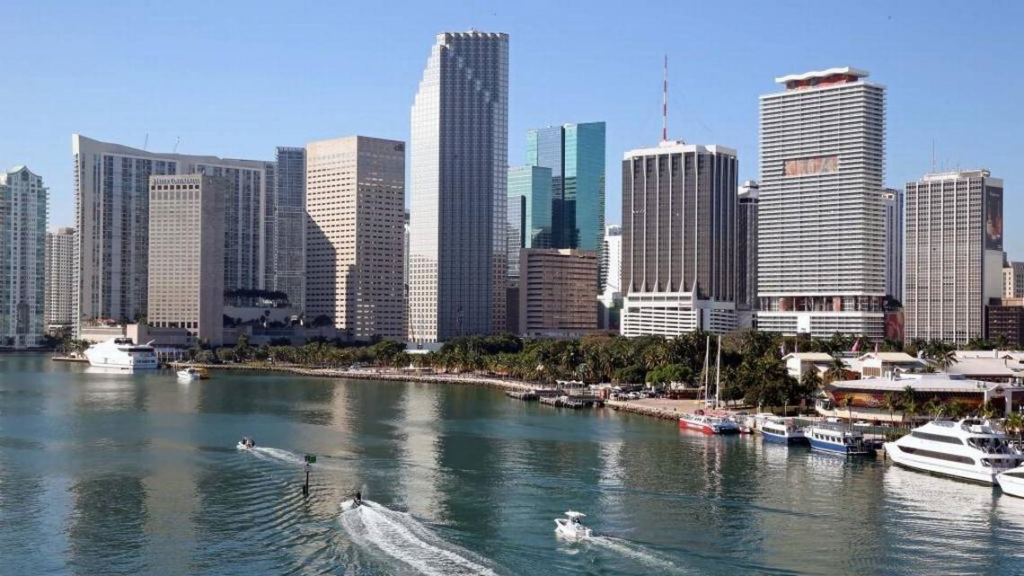
| Our Venue TFN’s 2019 Anniversary Conference: Power Forward takes place March 18-20 at the Miami Marriott Biscayne Bay, located in Downtown Miami across the bay from South Beach and a short hop to neighborhoods like Wynwood and Little Haiti.Call 1-800-295-1421 for reservations and mention the FUNDERS’ NETWORK to receive the conference rate of $249 plus tax per night. Or you can book online here. |
| RegistrationRegistration is open to donors, staff, directors, and trustees of all grantmaking institutions. Visit our Power Forward webpage for more information. |

Hear the untold story of the Bronx's 'Decade of Fire' at #TFNMiami's Sunday Night at the Movies
By: TFN Staff
|
The Funders’ Network is proud to feature Decade of Fire at this year’s Sunday Night at the Movies on March 17, kicking off TFN’s 20th Anniversary Conference: Power Forward in Miami. |
 Throughout the 1970's, an epidemic of fires consumed the South Bronx, reducing entire blocks to rubble, covering neighborhoods in a permanent haze of smoke and destroying 80 percent of the area’s housing stock. Black and Puerto Rican residents were blamed for the devastation even as they battled to save their neighborhoods. Decades later, Bronx-born filmmaker Vivian Vazquez set out to pursue the truth, uncovering policies of racism and neglect that still shape our cities. The resulting documentary,
Presented in partnership with the Wyncote Foundation and The Kendeda Fund, our Sunday Night at the Movies will include a screening of the film as well as a conversation with Vazquez. She'll join us in Miami to discuss the film, which confronts the racially charged stereotypes that dehumanized residents of the South Bronx in the 1970’s, and rationalized their abandonment by city, state and federal governments. “Growing up in the South Bronx, I often heard that we, the blacks and Puerto Ricans, do not know how to take care of our neighborhoods. That we are to blame for its problems, the reason our neighborhoods turned to rubble and ruin,” said Vazquez, whose film recalls how her neighbors came together to resist – and rebuild. “Now, I am sharing their stories, for the sake of people who work for justice today.” |

As communities across the United States face the increasing threats of displacement and gentrification, Vazquez and the team behind Decade of Firehope the stories told in the film have resonance beyond the Bronx: shedding light on the systemic practices and beliefs that are at the root of these housing issues, while showing how communities can generate solutions from within. |

“These unsung heroes put everything on the line to keep their blocks and neighborhoods intact. I want to let the world know what they did, how they did it and why it means everything to us today.” Go deeper: NPR's Latino USA recently featured Decade of Fire. Check out the full story here. Sunday Night at the Movies, presented in partnership with the Wyncote Foundation and The Kendeda Fund, takes place at 6:30 p.m. March 17 as part of TFN’s 20th Anniversary Conference: Power Forward. Join us for pizza, popcorn and other movie-friendly treats. The event is included in your conference registration – no additional RSVP needed. |

 |
About Our Conference |
Our VenueTFN’s 2019 Anniversary Conference: Power Forward takes place March 18-20 at the Miami Marriott Biscayne Bay, located in Downtown Miami across the bay from South Beach and a short hop to neighborhoods like Wynwood and Little Haiti. Call 1-800-295-1421 for reservations and mention the FUNDERS’ NETWORK to receive the conference rate of $229 plus tax per night. Or you can book online here. |

|
Join us for TFN’s 20th Anniversary Conference in Miami, March 18-20, to explore how we can turn ideals into action. Our conference theme: Power Forward, a call to action for philanthropy to leverage the sector’s collective power to create communities and regions that are truly sustainable and just — work that has taken on new urgency as we face increasingly challenging times. |
RegistrationEarly Bird registration ends Feb. 15! Registration is open to donors, staff, directors, and trustees of all grantmaking institutions. Visit our Power Forward webpage for more information. |
