
BY Leticia Rojas, Gulf South Program Officer, Hive Fund for Climate and Gender Justice, and 2025 PLACES Fellow
“Shift from being a funder to being a co-struggler.”
Weeks after hearing Dawn Harrington, executive director of Free Hearts — an organization led by formerly incarcerated women — speak during a PLACES site visit in Nashville, her words are still ringing in my ears.
Throughout our PLACES Fellowship, we’re introduced to amazing organizers, strategists, and leaders from across the country who often leave me furiously taking notes to memorialize the nuggets of wisdom they share with us. No single phrase has stuck with me more than Dawn’s, because she wasn’t just pointing at process changes, such as providing multi-year, general operating support or verbal reporting (which we do at Hive Fund!) but a change in our mindset and stance as funders, which required me to think more deeply about my approach.
As I work to put my fellowship learnings into practice, Dawn’s call has continued to buzz around in my head. What would it truly mean to co-struggle alongside the brave and brilliant organizers in the South? And what does that look like for me as a funder?
A refrain I’ve heard often from grantee partners — and one that came up repeatedly during our site visit in Nashville — is that funders can and should think about what we can do to serve organizations “beyond the grant.”
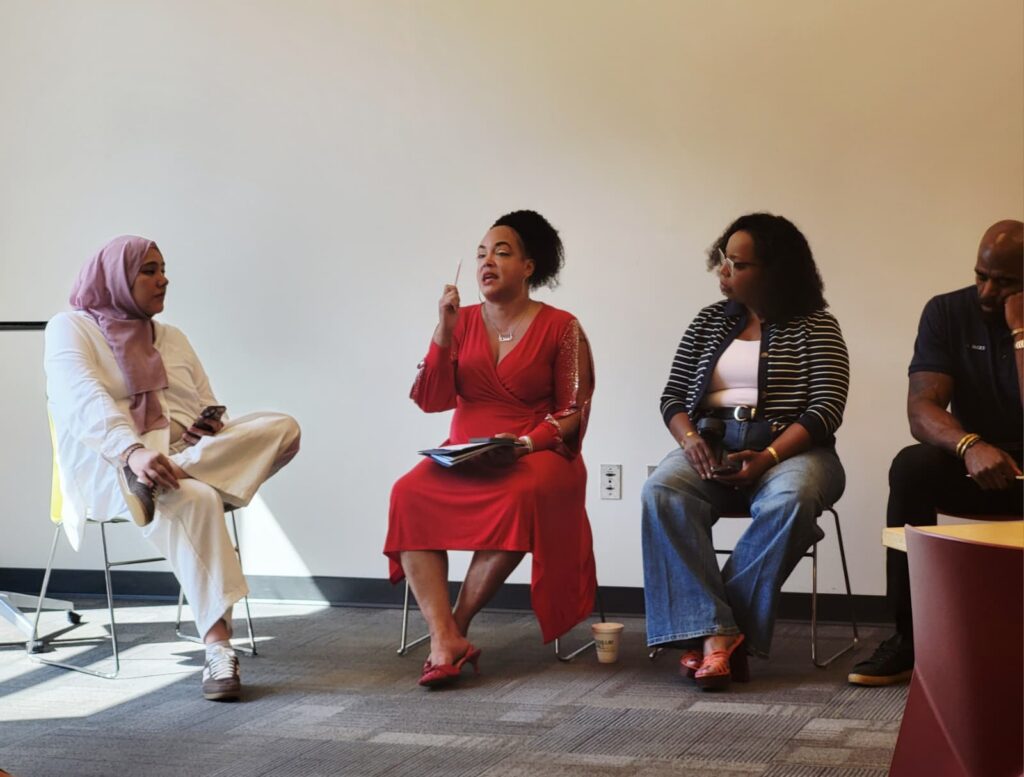
During a panel on immigrant defense, Melinda Noblitt, interim executive director of Tennessee Justice for Our Neighbors, shared how a funder made it possible for her to take a recent sabbatical. That support enabled the deep rest she needed to continue serving communities facing harsh anti-immigration policies and ICE raids.
Melinda’s story reminded me how much funders need to think outside the usual boxes — to show up with creativity and abundance as organizations and movement leaders face growing threats to their health and safety. I’ve seen new executive directors be able to shine when we provided support for executive coaching, and organizations be able to meet their community’s needs when we provided surge support during disaster recovery through our healing justice and holistic security grants at Hive Fund, and these supports have never been more important than they are now.
We also heard directly from funders finding meaningful ways to show up for grantees beyond cutting a check. Adnan Karim of the Community Foundation of Middle Tennessee spoke about how the foundation leveraged their community relationships to hold a press conference to rally support for a rapid response “Belonging Fund,” channeling direct aid to immigrant families impacted by ICE raids.
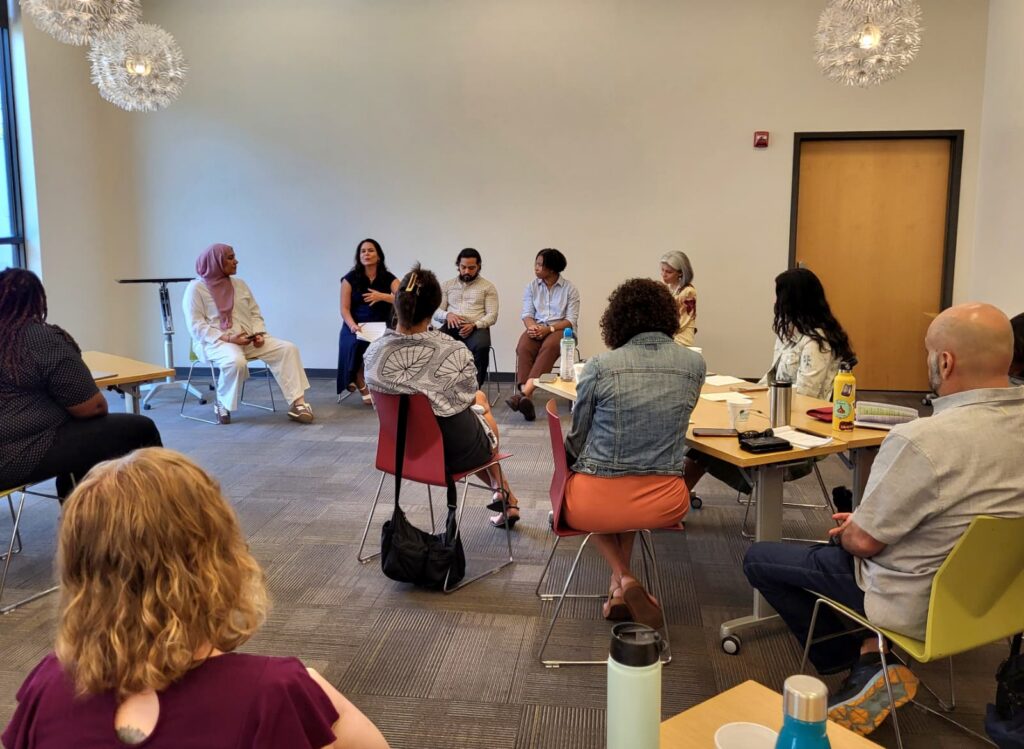
Another powerful example of co-struggling came from The Healing Trust. Through their participatory grantmaking initiative, the 37208 Fund, they shifted decision-making power directly to residents of Nashville’s 37208 ZIP code, a historically Black neighborhood gutted by highway expansion.
Hearing from both grantees and committee members about the projects made possible by this funding: from a lifeguard academy for local youth to nutrition and cooking classes for seniors was deeply moving. These hyper-local initiatives, led by people in their communities would likely not have been possible through traditional grants, and more broadly the approach of community-led grantmaking processes represents transformative shift away from traditional philanthropy — which tends to hoard power within grantmaking institutions — toward one that taps into deep community wisdom and expertise.
Participatory grantmaking is one way to share power and co-strategize. But the more I sit with what it means to be a co-struggler, the more I realize there are so many ways to live out that ethos — in how we build relationships, make decisions, and show up alongside our partners every day.
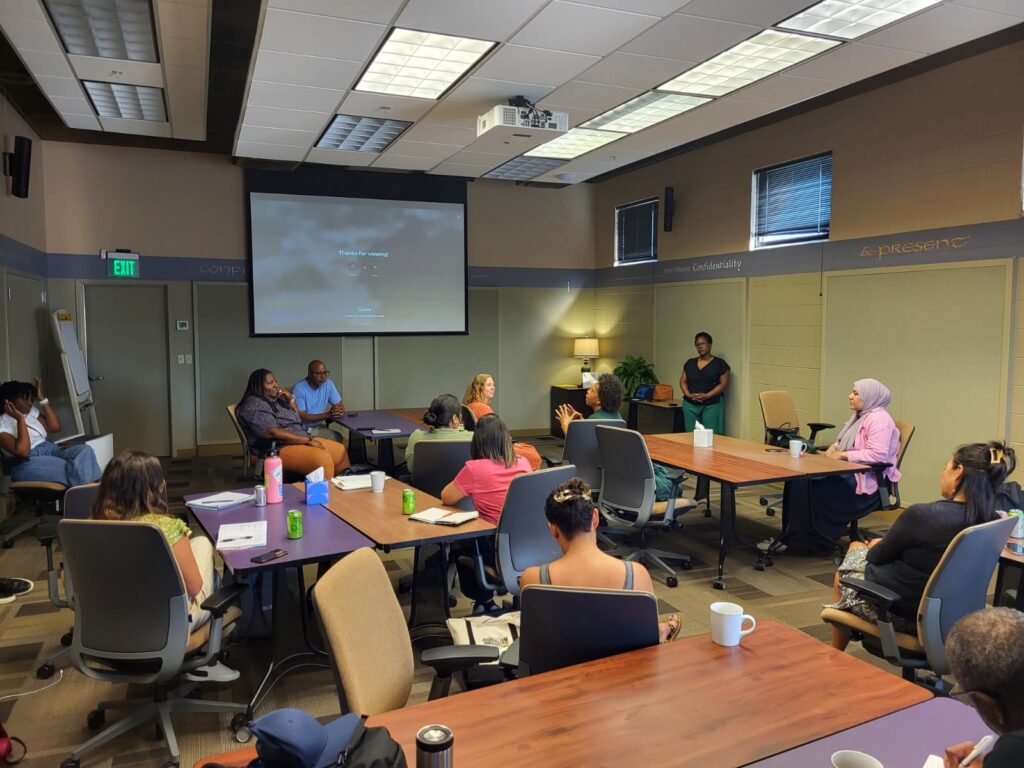
At Hive Fund, we’ve been putting these ideas into practice in our own work. This year, we revisited our strategies to meet a rapidly shifting landscape and respond to the rise of authoritarianism with clarity and purpose. As part of this process, we hosted a series of conversations with our grantee partners, peers, and allies to gather feedback and ideas, ensuring our strategies reflect the wisdom of the broader movement, not just our own perspectives.
What came out of those conversations was more than a grantmaking plan. It was a blueprint for how we move forward as an institution working alongside our movement partners. Taking this time to reflect helped me see my own work in a new light and reaffirmed the importance of leaning into practices that keep us accountable as true co-strugglers.
Lastly, I’m learning that co-struggling means cultivating relationships that nourish and sustain us, not just as organizations, but as people. In that same panel on solidarity and movement building where Dawn spoke so powerfully, it was clear the speakers weren’t just colleagues working in the same space, but they are also a community deeply connected by trust, care, and shared commitment.
It’s also what our PLACES fellowship has modeled: a network of peers who show up for one another, across institutions and geographies, and who are building the kind of solidarity that lasts beyond any one project or position.
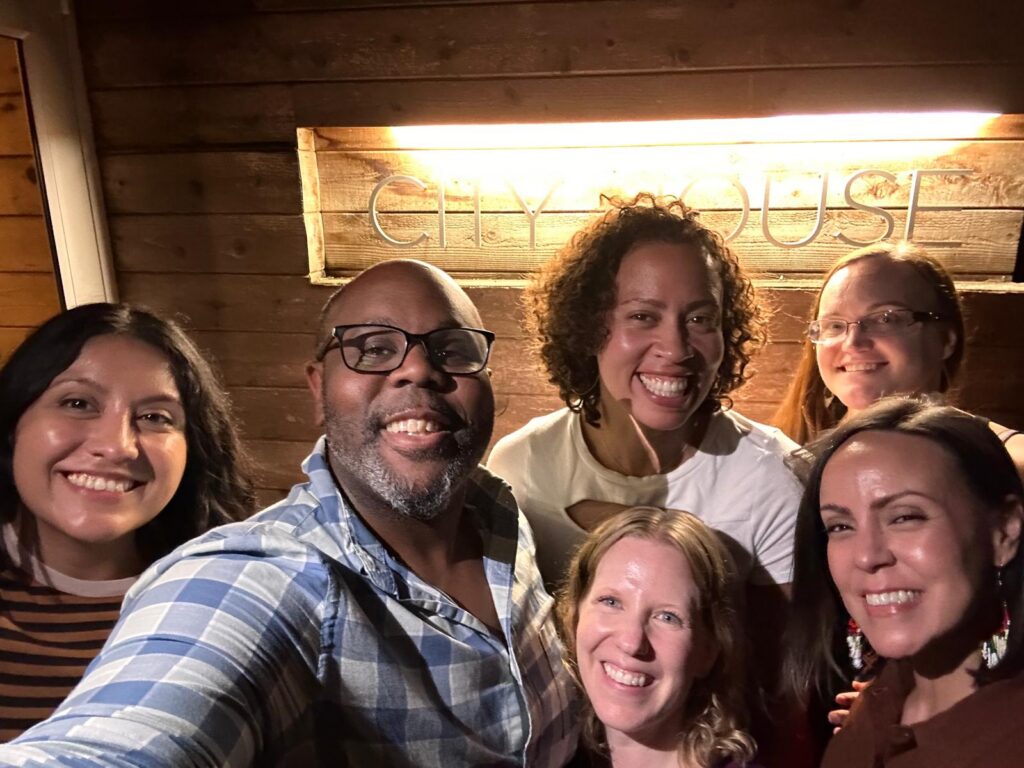
I still have a lot to learn — and a lot to put into practice — to truly live into Dawn’s call to be a co-struggler. But through PLACES, I’ve seen what’s possible when funders commit to listen more deeply, share power more intentionally, and build relationships that will last.
As I continue on this journey, I hope to translate Dawn’s words into more than a scribble in my notebook. I’ll be carrying them like a compass, guiding how I move through this work and pointing me toward deeper ways of showing up in solidarity.
And thanks to PLACES, I know I’m already finding my way.
About the Author
 Leticia Rojas is the Gulf South Program Officer at the Hive Fund for Climate and Gender Justice. She is an alum of TFN’s 2025 PLACES Fellowship cohort.