
BY Aileen Rosa Sánchez, Chief Development Officer, The Funders Network
One of my favorite parts of serving as Chief Development Officer at The Funders Network is experiencing the power of convening.
And I don’t just mean getting people into a room together. I mean what happens once they’re there, and what becomes possible afterward: a conversation leads to a connection, someone asks a question that shifts your thinking, or people discover interests they didn’t know they shared.
For two energizing days at TFN’s 2026 Fall Convening in Cleveland, members of our philanthropic community came together to learn, connect and think across the intersections of climate and environmental sustainability, resilient economies and thriving communities.
One highlight was a reception hosted by the Federal Reserve Bank of Cleveland for TFN convening attendees and members of our Inclusive Economies working group. We’re grateful to David, Lisa and the Cleveland Fed team for their hospitality. We learned more about the Federal Reserve Banks’ community development work, shared some of what TFN and our members are seeing, and explored areas of mutual interest related to sustainable economic opportunity.
I left thinking about something I’ve come to believe deeply through my own work: community itself is infrastructure.
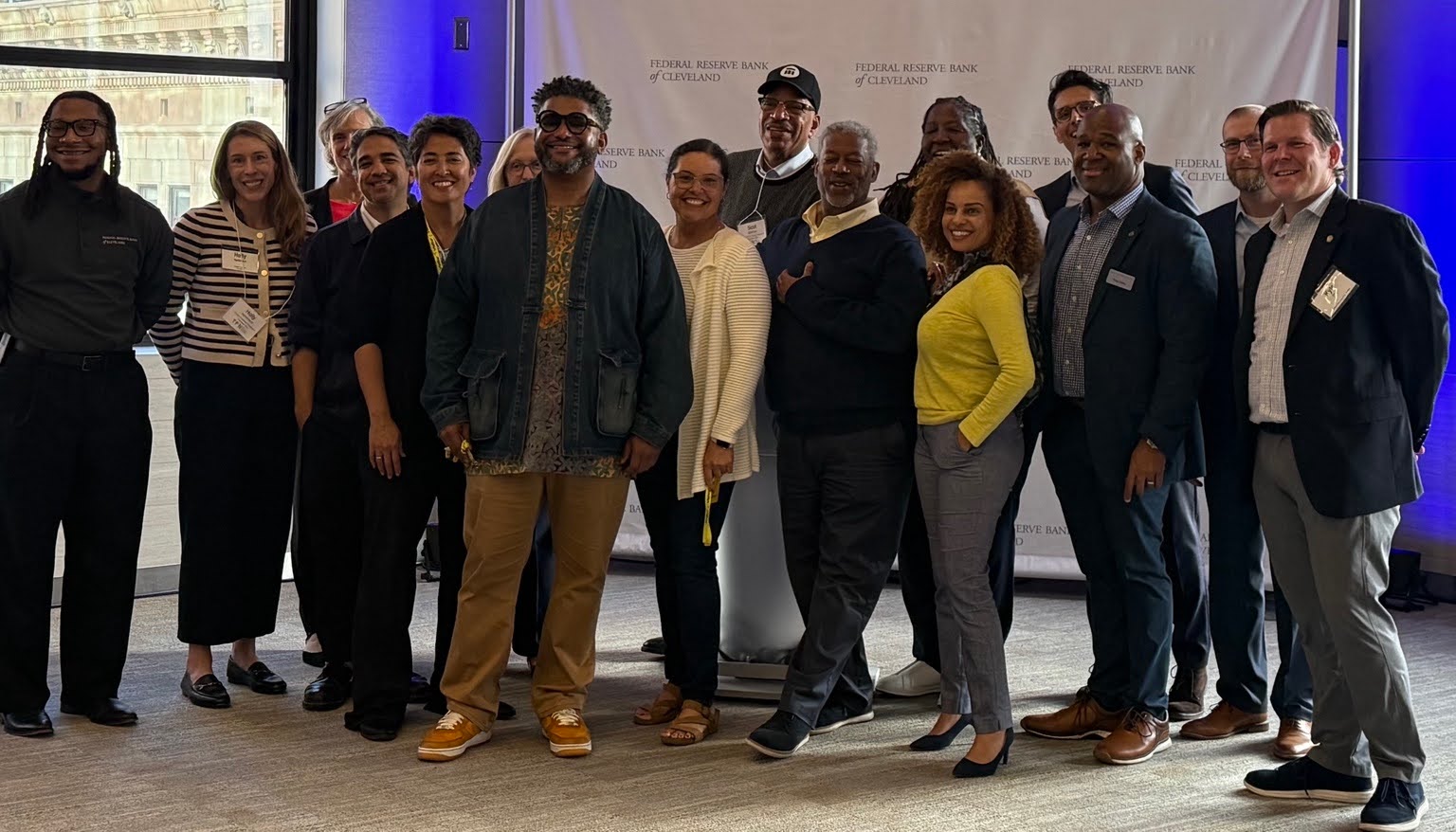 Community as infrastructure
If you don’t spend your days in central banking, the Federal Reserve may not be the first institution that comes to mind when you think about community development. Most of us know the Fed for monetary policy, but the regional Reserve Banks also conduct research, engage communities and work to better understand economic conditions within their regions.
In Cleveland, we continued to hear about the importance of listening to and engaging with communities and partners. Relationships are at the heart of TFN’s work, too.
Relationships are infrastructure. Trust is infrastructure. Knowing who to call, who has experience with the challenge you’re facing, or who needs to be at the table is infrastructure.
For over 25 years, TFN has helped build and sustain that infrastructure, creating spaces where people can share what they’re seeing, learn from one another and build relationships across institutions, issues and geography.
Data, convening and amplification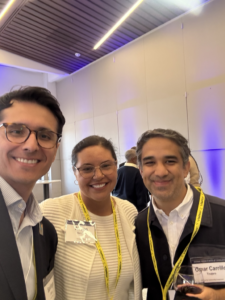
Our hosts described three assets the Cleveland Fed brings to its community development work: data, convening power and amplification. There’s a natural connection to TFN’s role as a philanthropic intermediary.
We don’t collect the data ourselves. We bring together funders and other partners who hold data, knowledge, resources and different perspectives, creating opportunities to connect those assets across issues and places.
Amplification is an important part of TFN’s DNA. Philanthropy has tremendous power to amplify, not by speaking for others, but by helping knowledge, ideas and promising approaches travel farther. As an intermediary, TFN is particularly well positioned to do that. We can connect people and institutions, bring greater visibility to what is working, and create pathways for knowledge, ideas and resources to move in ways that strengthen communities, economies and the environment.
The Federal Reserve, philanthropy and community organizations each bring different roles, perspectives and resources to this work. Creating opportunities for those perspectives to meet allows us to consider economic data alongside what people are experiencing in their communities, make new connections and better understand where our work intersects.
What can we learn when economic data is considered alongside what people are experiencing in their communities? What new connections become possible when people who don’t normally share a room have an opportunity to talk and listen?
Our reception in Cleveland wasn’t about arriving at a predetermined project or partnership. It was an opportunity to learn from one another, exchange perspectives and explore where continued engagement could be valuable.
That brings me back to community as infrastructure. Convening gets people into the room, but that’s only the beginning. The relationships and trust built there create pathways for knowledge, ideas and resources to move.
The power of convening is ultimately what becomes possible afterward: putting those connections to work in ways that strengthen communities and create lasting impact.